
Reviewed · LUCERNE & LAKE LUCERNE
1.5-Hour Small-Group Nightwatchman Walk in Medieval Lucerne
Lucerne has a dark side at night. This 1.5-hour small-group walk turns familiar streets into medieval scenes with a costumed nightwatchman guide, plus photos and projections that explain how the city worked after dark.
I especially like the Martiniplan moment, when you see Lucerne’s first city map and spot how many buildings still match the old layout. I also love how the guide brings in practical details, from justice and punishments to everyday life, so you get more than postcard views.
One heads-up: the tales can get gory at times, so it’s not strictly light bedtime material.
In This Review
- Key things you’ll enjoy most
- A nightwatchman walk that actually helps you see Lucerne
- Getting started at Rosengart Platz and keeping the pace realistic
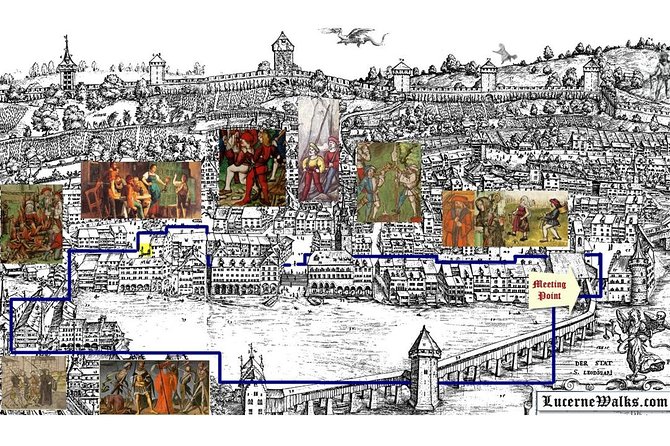
- Stop 1: Peterskapelle and Lucerne’s first map, the Martiniplan (1597)
- Chapel Bridge area: Water Tower first, then the famous bridge (with darker stories)
- Furrengasse and Kornmarkt: ghosts, legends, and a clock without minute hands
- Brandgässli and Weinmarkt: riots, frescos, and Latin for a broken heart
- Im Zöpfli: law and order told through projected scenes
- The riverside detour: Spreuerbrücke, Needle Dam, and Musegg Wall bits
- Alte Suidtersche Apotheke: a medieval pharmacy window you can’t forget
- Ritterscher Palace and the Dance of Death projections
- Finishing with the Jesuits and walking the Chapel Bridge the right way
- Price and value: what $39.54 buys you in real learning time
- Who should book this and who might skip it
- Should you book the 1.5-hour nightwatchman walk?
- FAQ
- How long is the Nightwatchman walk in Lucerne?
- What language is the tour offered in?
- What does the tour cost?
- Is the tour small group or large group?
- Do children get a discount?
- Does the tour run in bad weather?
- Are entrance tickets included for all stops?
- Can I cancel for free?
Key things you’ll enjoy most
- Nightwatchman storytelling with visual aids: projector-style slides and images add clarity as you walk.
- Martiniplan (1597) and “what’s still there”: the map gives you instant orientation.
- Chapel Bridge + Water Tower timeline: learn what came first and why it matters.
- Street legends with names: you’ll hear about the ghost and the Toggeli.
- Stop-by-stop focus on daily life and justice: not just big monuments, but how people lived.
- Small group size (max 15): easier questions, less rushing.
More runs down to Lucerne and its lake
- From Zurich: Mount Titlis and Lucerne Day Tour★ 4.7 · 3,381 reviews
- Lucerne: Mt. Pilatus Cable Car, Cogwheel Train & Lake Cruise★ 4.7 · 2,338 reviews
- Lucerne: 1-Hour Cruise on Panoramic Yacht★ 4.6 · 1,514 reviews
- Mount Pilatus Summit from Lucerne With Lake Cruise★ 4.5 · 1,260 reviews
A nightwatchman walk that actually helps you see Lucerne
A normal sightseeing stroll in Lucerne can feel like you’re just collecting sights. This tour works differently. The guide speaks like a nightwatchman, using the night setting to connect buildings, symbols, and rules of the town to real Middle Ages life—fire horns, street corners, and all. It’s 90 minutes long, so it’s also a smart way to learn the city fast without committing to a full day.
You’re not stuck staring at one thing either. You’ll move through multiple squares and alleyways, with the guide stopping at spots where a detail on a wall (a fresco, a carved clue, a painted symbol) actually matters. That’s the kind of tour value I like: you leave with a mental map.
Getting started at Rosengart Platz and keeping the pace realistic
The tour meets at Rosengart Platz in Lucerne and ends right back there. Duration is about 1 hour 30 minutes, and the group is capped at 15 travelers—small enough for a real back-and-forth, but still a walking tour, not a sit-and-stare museum visit.
It’s offered in English, and you’ll have a mobile ticket. The tour runs rain, snow, or shine, so bring weather gear. A light rain coat or umbrella makes a big difference for comfort, especially when you’re outside for long stretches.
Also plan for a brisk walking rhythm. A couple of reviews noted the pace felt quick, so if you’re slow-moving, choose good shoes and pace yourself from the start.
Stop 1: Peterskapelle and Lucerne’s first map, the Martiniplan (1597)
You begin at Peterskapelle (Peter’s Chapel). The tour opens with a fire horn followed by an invocation pray, and the nightwatchman frames the story around a hard life in medieval Lucerne. Then the guide uses a projector to pull medieval Lucerne into focus—literally on a screen—before you walk through real locations.
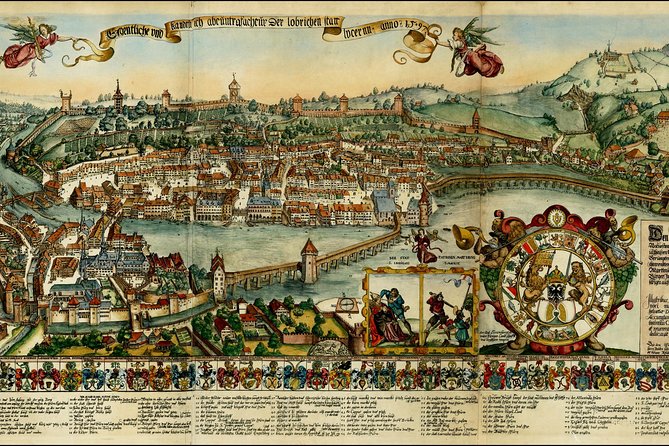
The big payoff here is the Martiniplan, the city’s earliest known map, dating to 1597. You’ll get to see the map route and notice that many of the buildings still exist today. That single moment is more useful than it sounds. It turns Lucerne from a pretty old town into a place with continuity: same streets, different eras, and you can follow that logic while you’re walking later.
You’ll also see St. Peter’s Chapel, described as the first church in town dating to the 12th century. Next to it, you’ll learn about the first private stone house of Lucerne—and where the expression stone rich comes from. This stop is a great example of how the guide connects language, architecture, and social class.
One note: Peterskapelle is marked as an admission ticket not included, so expect a potential entry fee if it’s required during your time slot.
Chapel Bridge area: Water Tower first, then the famous bridge (with darker stories)
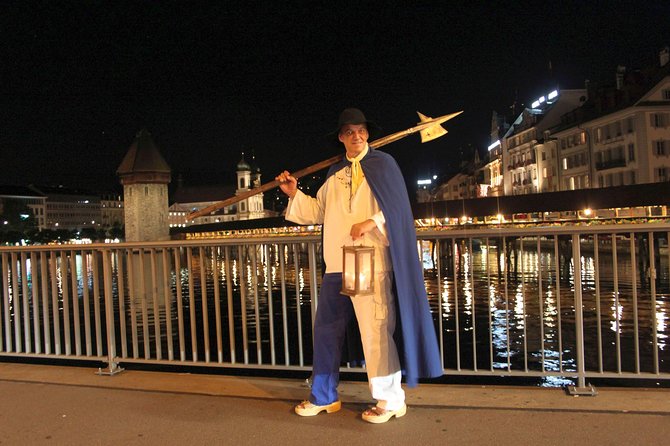
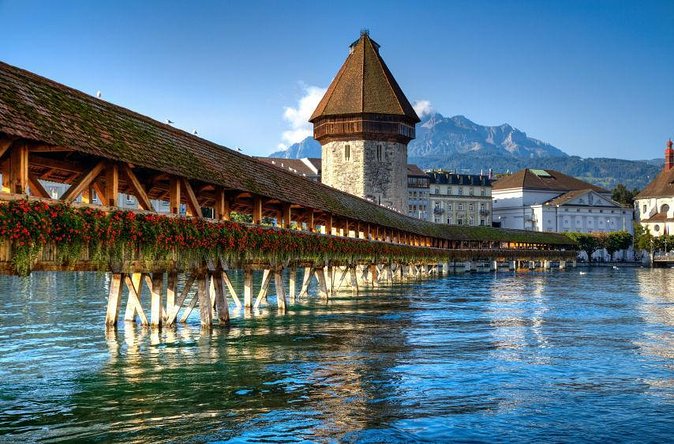
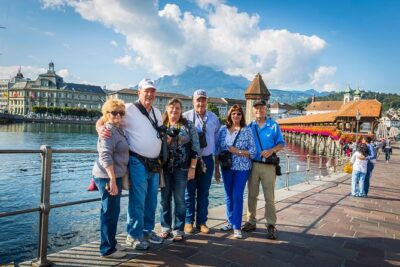
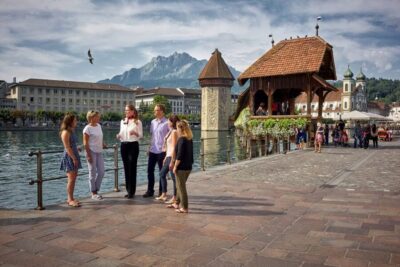
The tour makes you think about timelines at the Chapel Bridge stop. You learn that the Water Tower was built decades before the bridge: late 13th century for the tower, with Chapel Bridge dating to 1365. That kind of ordering helps you understand why Lucerne’s river crossings evolved the way they did.
You’ll also see projected imagery of the Water Tower interior and hear about a torture chamber, a dungeon, and a secret room. This isn’t a spooky scare tactic. The point is to show how defense and enforcement overlapped in the medieval city.
The bridge itself has a story too. The guide explains where the Chapel Bridge got its name from, and later you’ll get more clues when you cross again at the end of the tour.
In other words, you’re learning the bridge as a system: water control, transit, symbolism, and authority.
Cover more of the city on foot

Furrengasse and Kornmarkt: ghosts, legends, and a clock without minute hands
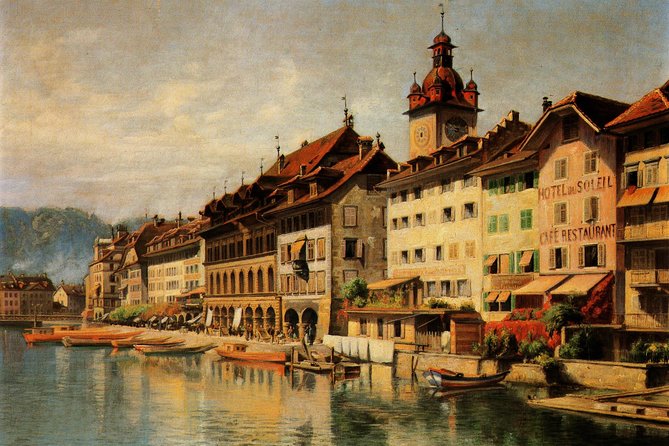
From Chapel Bridge you shift into the alley network, starting with Furrengasse near Kapellplatz. Here the guide leans into folklore: you hear about a ghost and the Toggeli, described as an incubus sometimes linked to the idea of a love robber. Whether you treat these tales as myth or moral warnings, they give personality to streets you’d otherwise walk past quickly.
Then you arrive at Kornmarkt, the Town Hall Square. This is where you get architecture with real character. You’ll learn about the Renaissance Town Hall and its tower with a clock without a minute hand—a detail that feels small until you connect it to how people used time.
You’ll also hear the story of the Giant of Reiden. And you’ll see the Lucerne Foot and Elle, official measures used in Old Lucerne. This is one of those wonderfully practical stops. Units sound boring until you realize they were part of everyday fairness, trade, and authority.
Brandgässli and Weinmarkt: riots, frescos, and Latin for a broken heart
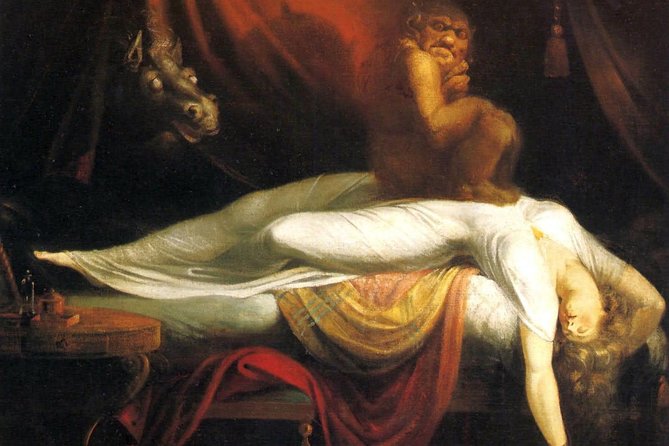
Next comes Brandgässli Alley, where the guide tells you about the Riot of Lucerne. You also pass by the former fish market, which is known today as the wine market. That shift—food economy to wine economy—shows how Lucerne kept reinventing the same spaces.
At Weinmarkt, you’ll see old guest house signs and admire frescos on surrounding houses. One standout is the former pharmacy house of Renward Cysat, where you read the Latin sentence:
Amor medicabillis nullis herbis
The meaning is given for you as there is no cure for a broken heart.
Then the guide explains the Reformation and Counter Reformation, connecting it back to what you see around you. And yes, you get a small treat: the tour includes a glass of the best water Lucerne. There’s also mention in reviews of tasting fountain water with cups—another example of learning that doesn’t stay theoretical.
You also pass the lower wine market, where the pillory was located. It’s a reminder that public punishment sat right in the middle of daily life, not behind closed doors.
Im Zöpfli: law and order told through projected scenes
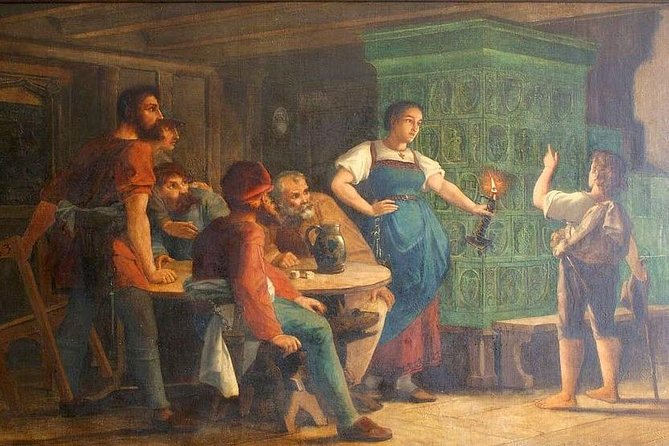
At Zöpfli, the story shifts from streets and symbols to the mechanics of control. The guide talks about law and order in old Lucerne and shows projected paintings about methods of prosecution, interrogation, and corporal punishment.
This is one of the stops where the “nightwatchman” format makes sense. At night, you understand why the city needed watchers—and why justice could be public and physical. If you’re sensitive, this is where you might feel the tour go darker. If you’re okay with medieval harshness as educational context, it lands as history rather than horror.
The riverside detour: Spreuerbrücke, Needle Dam, and Musegg Wall bits
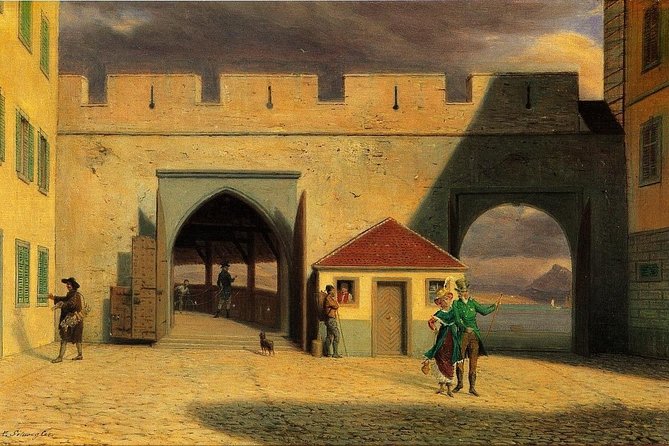
You’ll pass the bridge Reussbrücke and see Spreuerbruecke (Mill Bridge), plus the Needle Dam and parts of the Musegg Wall. This part is more of a visual scan than a long museum-style explanation, but it’s valuable.
Why? Because it gives you landmarks that later connect to other Lucerne sightseeing. Once you can point to the Mill Bridge and recognize wall segments, you stop feeling like you’re wandering and start feeling like you’re navigating.
Alte Suidtersche Apotheke: a medieval pharmacy window you can’t forget
At Alte Suidtersche Apotheke, you reach a highlight built around a specific object: a medieval pharmacy window. It’s described as breathtaking, and the guide gives more context about the house and its location.
This stop is admission not included, so you may need to pay if entry is required. Either way, it’s the kind of detail that sticks because it’s tangible: you’re looking at how people once thought about remedies, trade, and signage.
Even if you’re not a history nerd, you’ll get the charm fast—Lucerne loves preserving small, meaningful things.
Ritterscher Palace and the Dance of Death projections
Now the tour turns theatrical in the best way. At Ritterscher Palace Lucerne, you’ll see or learn about Guardian Demons and stop at the legendary house of Lux Ritter. You’ll hear why the first two floors look different than the third one, which gives you a lens for reading building quirks you might otherwise ignore.
Then there’s the story of Hans von Trient, described as an unlucky stonemason. The centerpiece here is the presentation of the seven paintings of the Dance of Death. You’ll see the pictures projected on a house wall, and the guide explains details as you stand in the right spot.
That projected format matters. You’re not trying to interpret dim carvings in a doorway. You can actually see the sequence and understand the theme: death as a reminder that no one is exempt.
This stop is also marked as admission ticket not included, so factor in possible entry fees.
Finishing with the Jesuits and walking the Chapel Bridge the right way
Before the end, you pass the Church of the Jesuits, described as the first baroque building in Switzerland, dating back to 1677. It’s a quick transfer in mood—from medieval street-level stories to early baroque confidence.
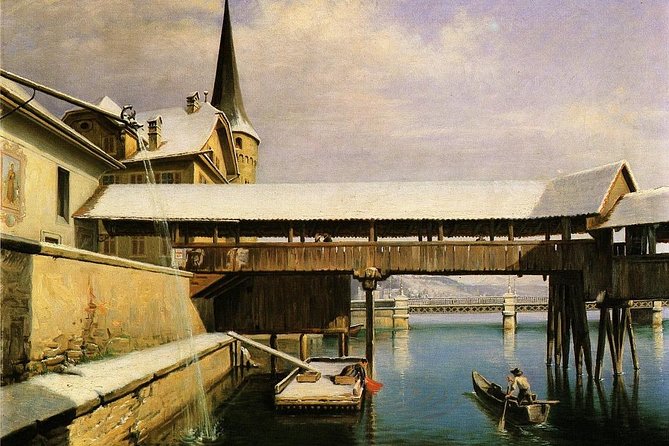
Finally, you cross Chapel Bridge again to wrap up. You’ll see the paintings and learn why the bridge is built diagonally over the river. Then you reach the starting point and the tour ends where it began.
Crossing it near the end is smart. First you learn the bridge’s history and nearby structures. Then you walk over it with better context, so you notice the details you probably missed earlier.
Price and value: what $39.54 buys you in real learning time
At about $39.54 per person for roughly 1.5 hours, this tour sits in the mid-range for guided walks in Swiss cities. Here’s why I think it’s fair value.
You’re not paying only for a guide. You’re paying for:
- a costumed medieval nightwatchman approach,
- projector-based visuals that clarify stories,
- multiple stops packed with specific, readable details (clocks, measures like Lucerne Foot and Elle, frescoes, Latin on a house, a pharmacy window),
- and a group size limited to 15, which keeps the experience from feeling like a rushed herd.
You should also recognize the small trade-off: a few highlighted stops are admission not included (Peterskapelle, Alte Suidtersche Apotheke, Ritterscher Palace). That doesn’t make the tour bad—just budget a little extra in case you want to enter.
One more value signal: it has a 4.7 rating and 94% recommended. That combination usually means the storytelling lands and the pacing works more often than not.
Who should book this and who might skip it
This tour is a great match if you:
- want a first-timer Lucerne orientation that goes beyond the lakefront,
- like street-level history with stories and symbolism,
- enjoy visuals that explain what you’re seeing (not just spoken directions),
- or you want something fun for mixed ages, since children up to 12 are free with an adult.
You might consider another option if you:
- dislike anything gory or too harsh in tone, since the justice-and-punishment parts can get graphic,
- or you need a very slow pace and lots of sitting breaks.
Should you book the 1.5-hour nightwatchman walk?
If you want to understand medieval Lucerne instead of just photographing it, I’d book this. The combination of Martiniplan, the bridge-and-tower timeline, and the Dance of Death projections gives you variety without dragging the tour into a full half-day commitment. Even if you’ve already seen Chapel Bridge in daylight, the nightwatchman framing makes it feel new.
My call: book it if you’re curious, comfortable with some dark medieval storytelling, and you like learning that’s tied to what’s still standing in the city today.
FAQ
How long is the Nightwatchman walk in Lucerne?
It’s about 1 hour 30 minutes.
What language is the tour offered in?
The tour is offered in English.
What does the tour cost?
The price is listed as $39.54 per person.
Is the tour small group or large group?
It has a maximum of 15 travelers.
Do children get a discount?
Children up to twelve years old are free, but they must be accompanied by an adult.
Does the tour run in bad weather?
Yes, tours take place rain, snow, or shine. Bring appropriate weather gear.
Are entrance tickets included for all stops?
Not all of them. Some stops are marked as admission ticket not included (such as Peterskapelle, Alte Suidtersche Apotheke, and Ritterscher Palace). Others are marked as admission free.
Can I cancel for free?
Yes. There is free cancellation, and you can cancel up to 24 hours in advance for a full refund.
Zurich on Foot
- Lucerne: Private Walking Tour with a Local Guide★ 4.6 · 450 reviews
- Lucerne Walking & Boat Tour: The Best Swiss Experience★ 4.5 · 417 reviews
- Lucerne: Guided Walking Tour with an Official Guide★ 4.7 · 321 reviews
- Lucerne: Walking and Boat Tour with Cheese & Wine Tasting★ 4.7 · 120 reviews
- Exclusive Private Lucerne Walking Tour with Local Guide 3 Hours★ 5.0 · 80 reviews
More Tour Reviews in Lucerne
- From Zurich: Mount Titlis and Lucerne Day Tour★ 4.7 · 3,381 reviews
- Lucerne: Mt. Pilatus Cable Car, Cogwheel Train & Lake Cruise★ 4.7 · 2,338 reviews
- Lucerne: 1-Hour Cruise on Panoramic Yacht★ 4.6 · 1,514 reviews
- Mount Pilatus Summit from Lucerne With Lake Cruise★ 4.5 · 1,260 reviews
- Lucerne: Round-Trip Catamaran Cruise on Lake Lucerne★ 4.4 · 1,169 reviews
Down to Lucerne, Again
- From Zurich: Mount Titlis and Lucerne Day Tour★ 4.7 · 3,381 reviews
- Lucerne: Mt. Pilatus Cable Car, Cogwheel Train & Lake Cruise★ 4.7 · 2,338 reviews
- Lucerne: 1-Hour Cruise on Panoramic Yacht★ 4.6 · 1,514 reviews
- Mount Pilatus Summit from Lucerne With Lake Cruise★ 4.5 · 1,260 reviews
- Lucerne: Round-Trip Catamaran Cruise on Lake Lucerne★ 4.4 · 1,169 reviews
Hot Off the Rails: Our Newest Zurich and Alpine Reviews
- Luzern Elegance: Private City Walk and Panoramic Lake Cruise
★ 5.0 · 3 reviews - Lucerne: Legends of Lake Lucerne – Steamboat Experience
★ 5.0 · 3 reviews - Lucerne: Glacier Express’s Swiss Alps & Lucerne Private Tour
★ 5.0 · 3 reviews - Lucerne Lakeside and Villas Private Walking Tour
★ 5.0 · 3 reviews - Lucerne: Private Walking Tour and Chocolate Tasting
★ 5.0 · 3 reviews
Lucerne & Lake Lucerne, compared.
 ★ 4.7Mount Titlis and Lucerne Day TourFrom $2143,381 reviews
 ★ 4.7Mt. Pilatus Cable Car, Cogwheel Train & Lake CruiseFrom $2122,338 reviews
 ★ 4.5Mount Titlis and Lucerne Day Trip from ZurichFrom $2151,960 reviews
 ★ 4.61-Hour Cruise on Panoramic YachtFrom $391,514 reviews
 ★ 4.5Mount Pilatus Summit from Lucerne With Lake CruiseFrom $2231,260 reviews
 ★ 4.4Round-Trip Catamaran Cruise on Lake Lucerne1,169 reviews
 ★ 4.7Mt. Pilatus Gondola, Cable Car, and Boat TripFrom $1411,143 reviews
 ★ 4.8Lucerne & Mount Pilatus Day TourFrom $2381,110 reviews
Browse the lists this tour appears in