
Reviewed · ZURICH MUSEUMS & ATTRACTIONS
Swiss Finance Museum Admission Ticket
Finance gets human when it’s shown through real documents. At the Swiss Finance Museum in Zurich, a ticket for $13 turns the history of Swiss finance into hands-on learning, using a mix of exhibits and media.
What I like most is the way it explains basics you can use anywhere: how stocks work and how they move through stock exchanges. I also like that you’re not stuck in one timeline; the museum links older business ideas (back to the 16th century) with today’s financial innovations.
One drawback to keep in mind: if you’re expecting heavy coverage of ultra-current topics like Bitcoin, you might feel like the museum leans more toward history and classic market mechanics than the latest headlines.
In This Review
- Key Things to Know Before You Go
- Why This Zurich Finance Museum Ticket Feels Different
- Permanent Exhibits: How the Swiss Financial Story Builds From the 1500s
- Stocks and Stock Exchanges: The Stuff You Can Reuse Tomorrow
- The Cashless Society Question and Other Big Ideas
- The Interactive Audio Guide App: Faster Way to Stay Oriented
- Special Exhibition Famous: Securities Through the Lives of Well-Known People
- Price and Timing: Does $13 Deliver Real Value in Zurich?
- Rules, Practical Notes, and the Tuesday German Tour
- Who Should Book This Ticket, and Who Might Skip It
- Should You Book the Swiss Finance Museum Ticket?
- FAQ
- Where is the Swiss Finance Museum?
- How much does the ticket cost?
- How long can I use the ticket?
- What does the ticket include?
- Is there an audio guide?
- Are guided tours included?
- Is the museum wheelchair accessible?
- Are food, drinks, or pets allowed?
Key Things to Know Before You Go
You get the permanent exhibitions plus the current special exhibit, all with one admission ticket.
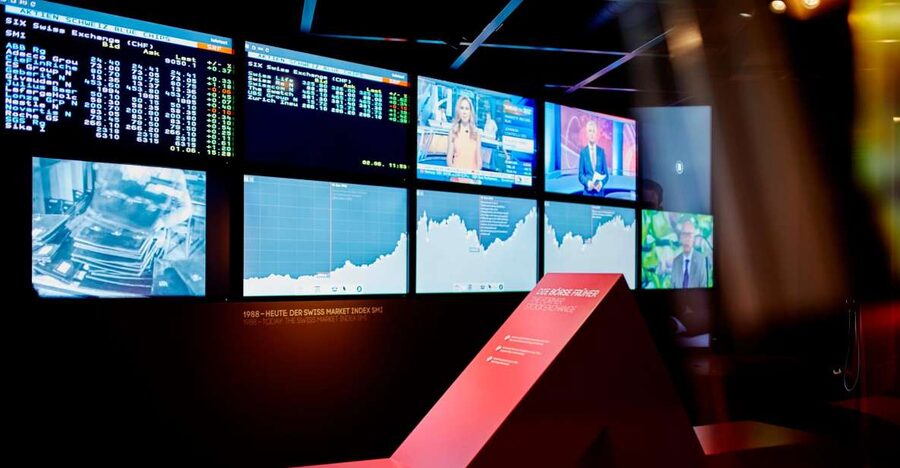
Stocks and stock exchanges are taught in plain language, with visuals and multiple media formats.
A themed exhibit asks big questions, including whether we’re headed toward a cashless society.
You can explore with an interactive audio guide app, so you can go at your own pace.
Guided tours in German run weekly on Tuesdays (12:30–1:30) and are included in the ticket.
More of Zurich indoors, museums and tickets
- Lindt Home of Chocolate Museum Entry Ticket★ 4.7 · 9,329 reviews
- Zurich Sights: Cruise, Lindt Chocolate and optional FIFA Ticket★ 4.0 · 1,028 reviews
- Zurich: Swiss National Museum Entry Ticket★ 4.6 · 267 reviews
- Zurich Highlights City Tour with Optional FIFA Museum Ticket★ 3.5 · 101 reviews
Why This Zurich Finance Museum Ticket Feels Different
Most finance museums either talk like a textbook or show old documents behind glass. This one tries something better: it treats economic history like a story you can follow, with the “why” built into the exhibits.
You’ll see how Swiss finance connects to the broader development of modern markets. That matters because markets don’t appear fully formed. They grow from business experiments, legal structures, and public trust.
If you like understanding systems—how money moves, how decisions get priced, and how companies scale—this museum gives you a starting framework. And it does it without requiring you to be a finance professional.
Permanent Exhibits: How the Swiss Financial Story Builds From the 1500s
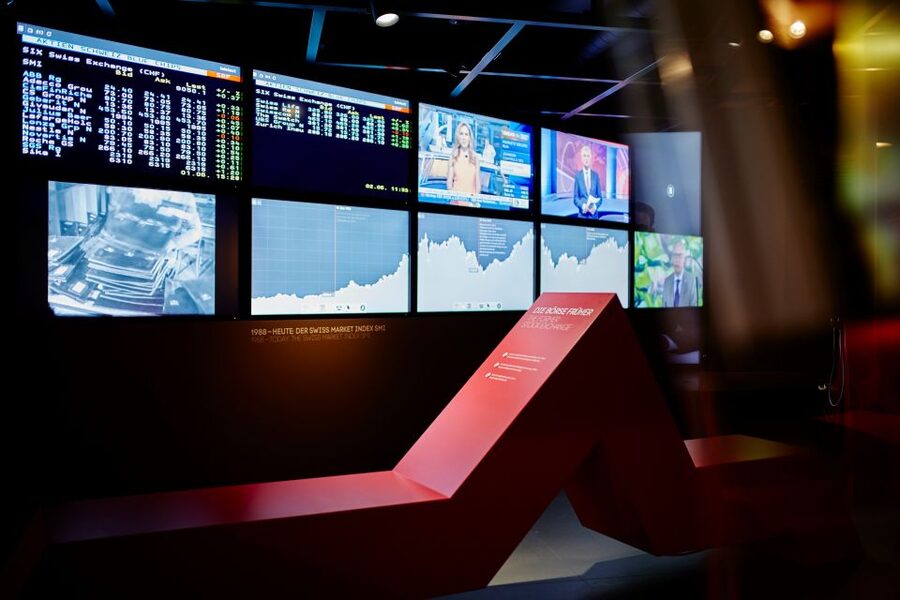
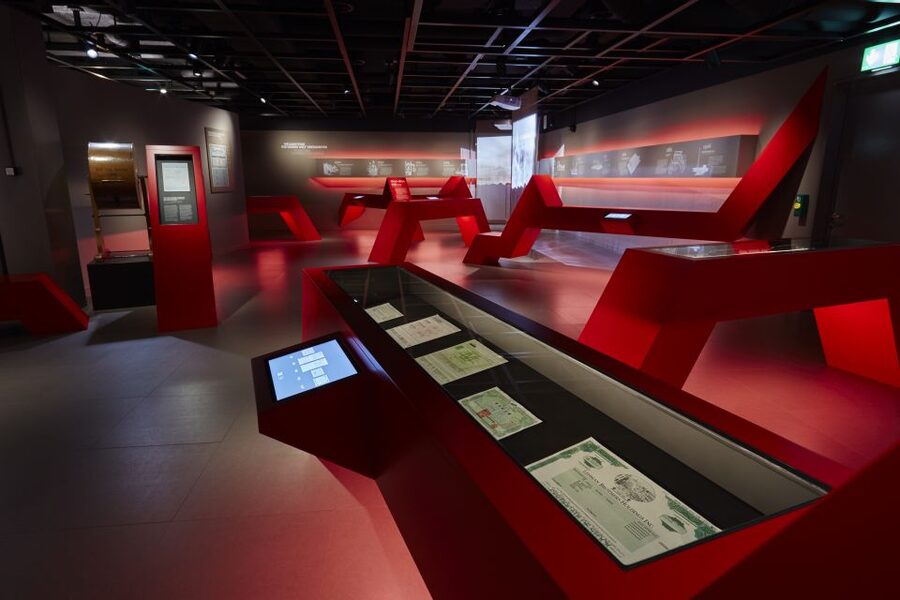
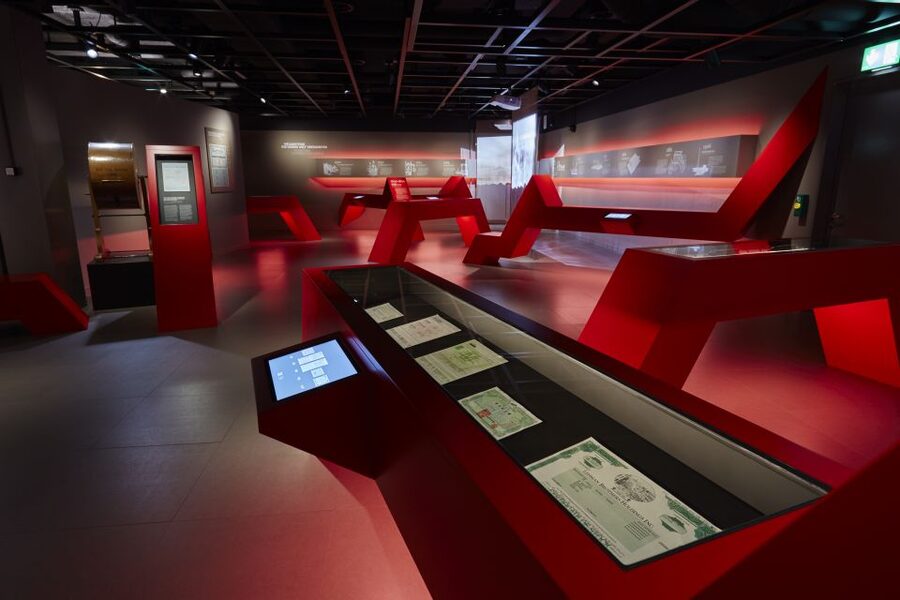
The permanent exhibition is the main event. You’ll work through themes like the first modern stock corporation, revolutionary business ideas, and how large corporations expanded from the 16th century to today.
I like that this isn’t just “old stuff.” The museum uses key historical pieces from one of the world’s biggest and most important collections of securities to show how today’s financial economy took shape. Seeing early forms of securities helps you understand why rules and market structure matter now, not just then.
As you move through the galleries, you get a clear sense of cause-and-effect. Business innovations create new financial needs. Those needs lead to new instruments. Then instruments reshape how companies raise money and how investors assess risk.
The museum also uses different media in both the permanent and special exhibits. That’s a practical plus if you don’t want to spend your day staring at labels.
Stocks and Stock Exchanges: The Stuff You Can Reuse Tomorrow
The museum makes a strong case for starting with the basics: what stocks are and how they’re traded on stock exchanges. Even if you’ve heard these terms, seeing how the process is explained visually can sharpen your understanding fast.
Here’s the useful part for real life: stocks aren’t magic. They’re a way to split ownership and expectations into units that can change hands. Once you get that, you can follow market behavior with less confusion.
You’ll likely come away with a simpler mental model of how trading works—what a stock market is doing in practice, and why it can react quickly to information. That’s the key skill. Even if you don’t memorize every term, you’ll understand what you’re looking at when you read financial news later.
The Cashless Society Question and Other Big Ideas
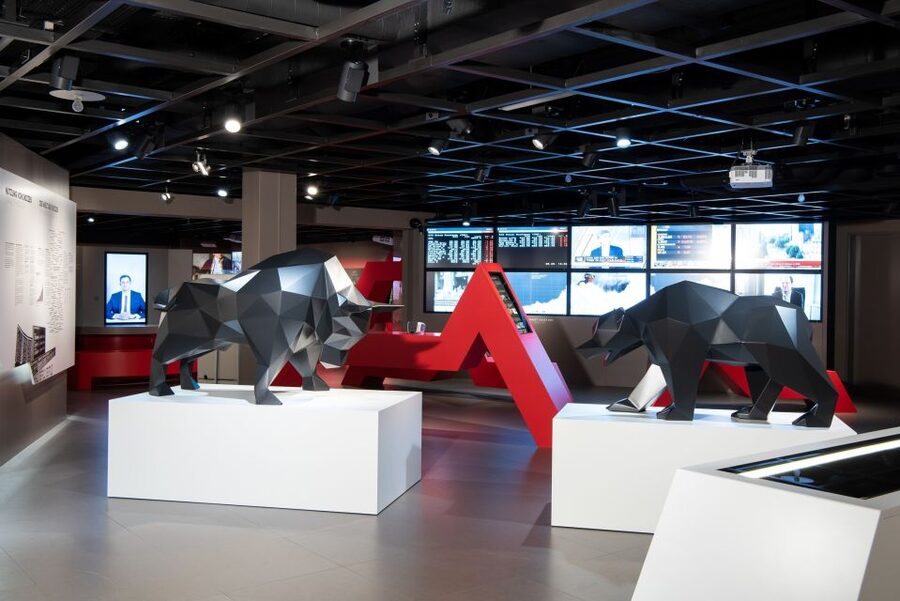
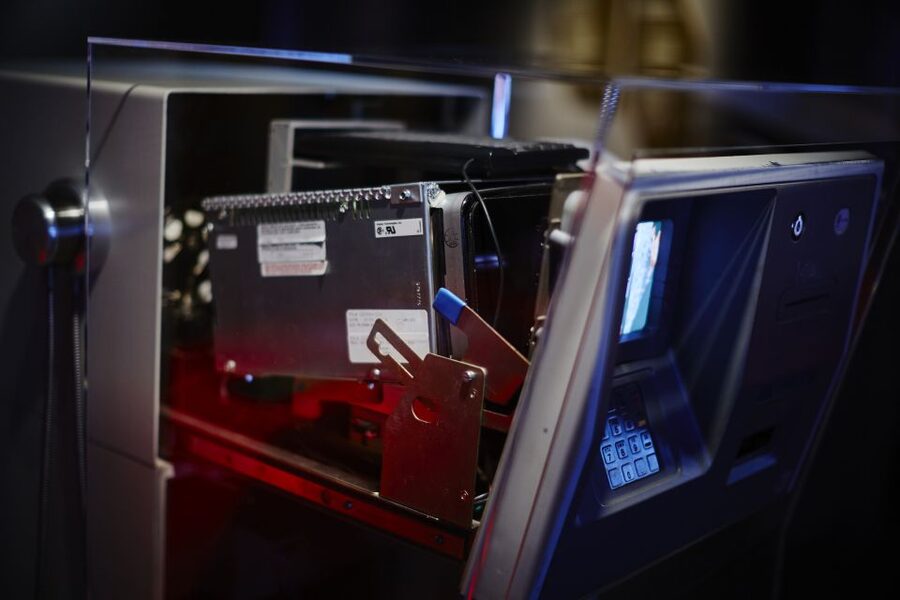
One of the standout themed stops focuses on the question: are we headed toward a cashless society? It’s not just a futuristic poster. The exhibit ties the idea of cashless life to how payment methods, technology, and trust interact with financial systems.
I appreciate that it’s presented as an exploration rather than a lecture. You come in with your own assumptions and leave with more questions—and better ones—about what changes when cash disappears.
This is also where the museum’s “history meets innovation” approach clicks. Whether it’s paper documents from earlier eras or modern payment behavior, the through-line is how systems evolve when people, laws, and technology all shift at once.
Skip the queue with more tickets

The Interactive Audio Guide App: Faster Way to Stay Oriented
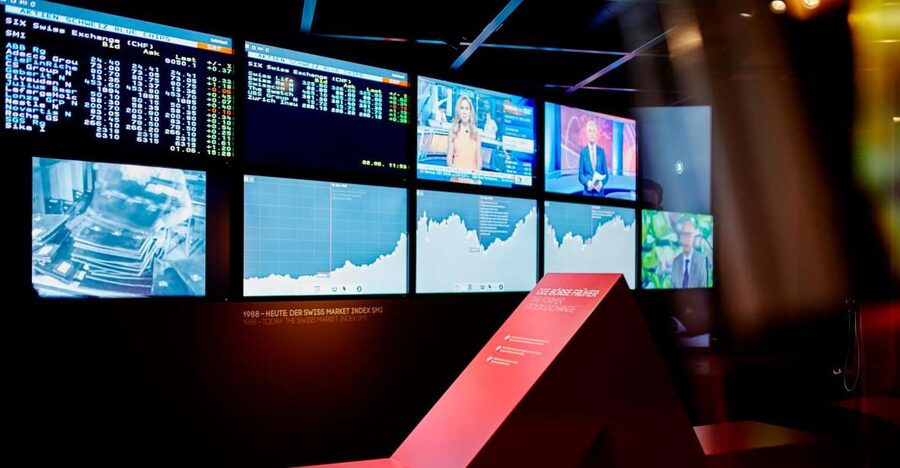
The museum is made for self-paced exploring, and the interactive audio guide app helps a lot. You can hop between exhibits without losing context, which is ideal if your brain starts to wander after too many timelines and charts.
I find audio guides work best when they’re used like a compass, not like a substitute for looking. So my advice is simple: pause at a key exhibit first, look at what’s in front of you, then press play for the explanation. You’ll remember more because you’re linking the story to the object.
This is especially helpful in a museum like this, where concepts move from corporation history to trading mechanics to themed questions like cashless life. The app helps you keep the thread.
Special Exhibition Famous: Securities Through the Lives of Well-Known People
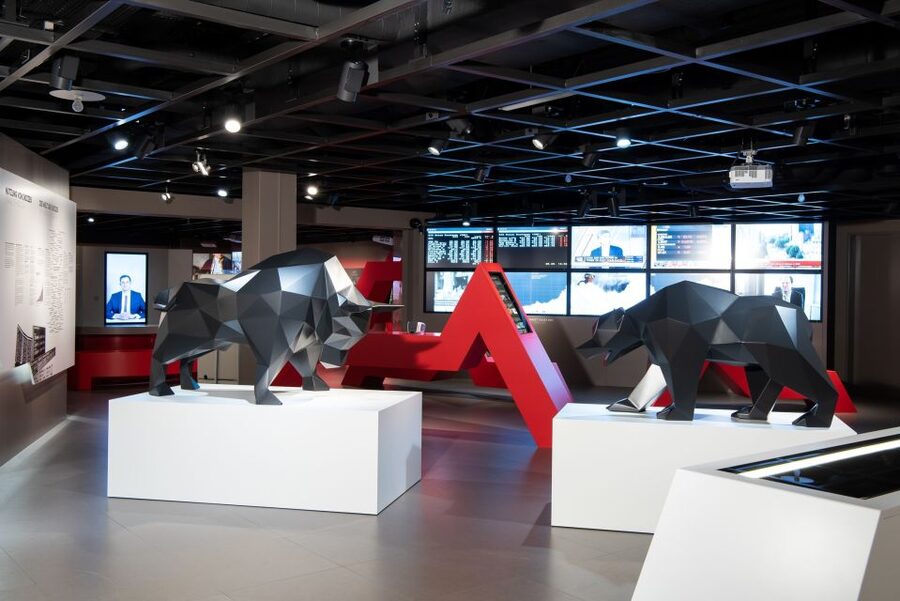
Your ticket also includes access to the special exhibition, which changes annually. One example listed is Famous – From the collection of the Finance Museum, tied to a theme of famous people, seen through historical securities.
The concept is smart: instead of treating famous names as trivia, it uses securities as the lens for their lives. Charlie Chaplin, Maria Theresa, Johann Wolfgang von Goethe, and others are mentioned in the exhibit theme list, and that’s a great hook if you like history that feels personal rather than abstract.
A possible snag: if you’re hoping the special exhibit will fully update your financial news understanding, it may still feel history-forward. The tradeoff is that you get a fresh way to see how securities connected to people and power across time.
For a one-day plan, this special exhibition is also a good way to keep energy up. After the permanent galleries do the heavy lifting, the special show gives you a change of pace.
Price and Timing: Does $13 Deliver Real Value in Zurich?
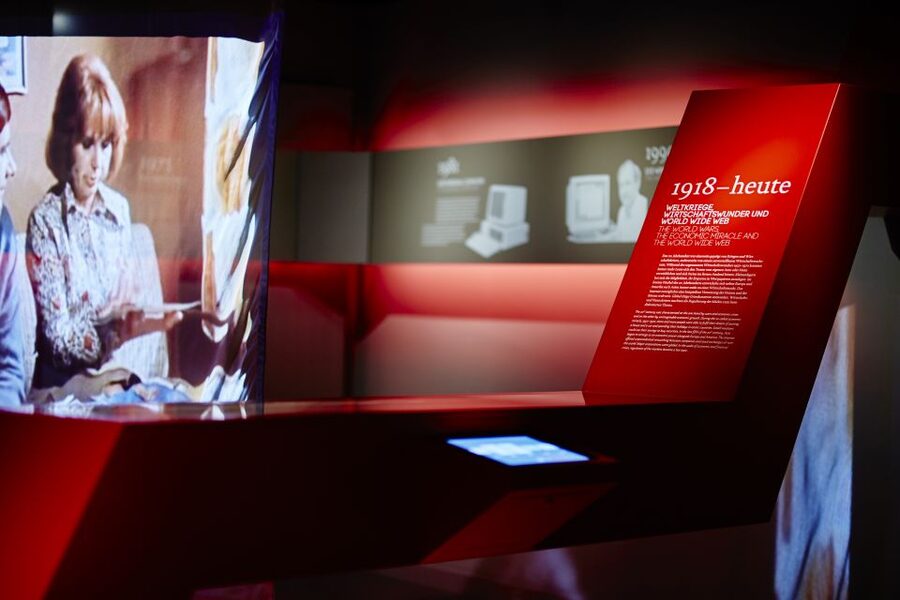
At about $13 per person for a 1-day ticket, this is priced like a museum that wants you to come, not like a premium attraction with expensive add-ons. The better value comes from what you get access to: the permanent exhibition and the special exhibition.
The museum also gives you tools that extend your visit. The interactive audio guide app helps you cover more efficiently, which matters when you have limited time in Zurich.
Time-wise, plan a full day if you can. If you have a tight schedule, you can still do it in a shorter window, but the museum’s concepts are easier to digest when you don’t rush.
One practical way to judge value: ask yourself what you want from the visit. If you want a basic finance framework plus Swiss-focused market history, the ticket is a good deal. If you want a modern “everything-finance-right-now” dashboard, your expectations may not match the museum’s rhythm.
Rules, Practical Notes, and the Tuesday German Tour

A few practical points shape how your visit feels. Food and drinks are not allowed inside, so you’ll want to plan your snack situation before you go or save it for outside. Also, pets aren’t allowed, though assistance dogs are permitted.
The museum is wheelchair accessible, which is a real plus for planning with mobility needs.
If you can time it, there’s an included guided tour in German every Tuesday from 12:30 PM to 1:30 PM. It’s a good option if you want one structured hour to get context fast. The guided format also helps if some of the financial mechanics start to feel abstract when you read about them alone.
Who Should Book This Ticket, and Who Might Skip It
This is a good fit for you if you:
- like learning how systems work, even when the topic is “boring” on paper
- want a Swiss-centered take on financial history
- enjoy exhibits that mix media and explanations, not just static text
It may feel less satisfying if you:
- want the museum to focus heavily on the newest finance headlines
- are expecting lots of current tech topics like Bitcoin in a central way
- are planning it as a kid-first museum where interactivity does all the teaching
That last point is important. The museum clearly uses engaging formats, but at least one experience with the exhibits felt like the interactive element didn’t deliver enough for children. So if you’re bringing younger kids, it helps to arrive with a plan: aim for short attention bursts, pick the most visually interesting sections, and treat it like a guided curiosity mission rather than a long sit-and-learn day.
Should You Book the Swiss Finance Museum Ticket?
Yes—if you’re curious about how modern finance formed and you want a clear, structured way to understand stocks and trading. For $13, the combination of permanent exhibits, a changing special exhibition, and an interactive audio guide makes this a strong value for a one-day stop in Zurich.
Book it especially if you like history that connects to real-world systems. And if you’re the type who reads financial news and wants to understand the machinery underneath, you’ll likely leave with a better mental map.
If your goal is mainly to track today’s crypto-heavy trends or the latest market hype, you might want to manage expectations. This museum’s power is the historical-to-modern bridge, not breaking news.
FAQ
Where is the Swiss Finance Museum?
It’s located in the Canton of Zurich, Switzerland. The meeting point for the visit is the Swiss Finance Museum.
How much does the ticket cost?
The admission ticket is listed at $13 per person.
How long can I use the ticket?
The ticket is valid for 1 day.
What does the ticket include?
The ticket includes museum entrance and access to the annually changing special exhibition.
Is there an audio guide?
The experience highlights an interactive audio guide app that helps you discover the museum.
Are guided tours included?
Yes. Public guided tours are held in German every Tuesday from 12:30 PM to 1:30 PM, and they’re included in the ticket price.
Is the museum wheelchair accessible?
Yes, it’s wheelchair accessible.
Are food, drinks, or pets allowed?
Food and drinks are not allowed. Pets are not allowed, but assistance dogs are allowed.
Tickets and Skip-the-Queue
- Lindt Home of Chocolate Museum Entry Ticket★ 4.7 · 9,329 reviews
- Zurich Sights: Cruise, Lindt Chocolate and optional FIFA Ticket★ 4.0 · 1,028 reviews
- From Zurich: Rhine Falls Morning Trip with Entry Tickets★ 4.6 · 698 reviews
- Rhine Falls Coach Tour incl. entry tickets from Zurich★ 4.0 · 405 reviews
- Zurich: Swiss National Museum Entry Ticket★ 4.6 · 267 reviews
More Tour Reviews in Zurich
- Lindt Home of Chocolate Museum Entry Ticket★ 4.7 · 9,329 reviews
- Zurich: Day Trip to Grindelwald, Interlaken & Lauterbrunnen★ 4.5 · 4,699 reviews
- Zurich: City Tour, Cruise, and Lindt Home of Chocolate Visit★ 4.5 · 4,624 reviews
- From Zurich: Bus Day Trip to Heidiland and Liechtenstein★ 4.5 · 2,531 reviews
- Zurich: City Highlights Tour by Bus, Cable Car, and Ferry★ 4.4 · 2,366 reviews
Zurich Under Cover
- Lindt Home of Chocolate Museum Entry Ticket★ 4.7 · 9,329 reviews
- Zurich Sights: Cruise, Lindt Chocolate and optional FIFA Ticket★ 4.0 · 1,028 reviews
- Zurich: Swiss National Museum Entry Ticket★ 4.6 · 267 reviews
- Zurich Highlights City Tour with Optional FIFA Museum Ticket★ 3.5 · 101 reviews
- Zurich: Lindt Home of Chocolate Museum Ticket & Transfer★ 3.7 · 83 reviews
Hot Off the Rails: Our Newest Zurich and Alpine Reviews
- Zurich: Private tour to Interlaken, Grindelwald & Jungfrau
★ 5.0 · 3 reviews - Zurich Premium Fitness Pass
★ 3.0 · 3 reviews - Lucerne and the mountains of Central Switzerland (Private Tours)
★ 5.0 · 3 reviews - Alpine Majesty:From Zürich to Jungfraujoch Exclusive Private Tour
★ 5.0 · 3 reviews - Lake Zurich mini boat tour / by night!
★ 5.0 · 3 reviews
Zurich Museums & Attractions, compared.
 ★ 4.7Lindt Home of Chocolate Museum Entry TicketFrom $229,329 reviews
 ★ 4.0Zurich Sights: Cruise, Lindt Chocolate and optional FIFA TicketFrom $1081,028 reviews
 ★ 4.6Swiss National Museum Entry TicketFrom $17267 reviews
 ★ 4.0Lucerne Swiss Museum of Transport Entrance TicketFrom $46206 reviews
 ★ 3.5Zurich Highlights City Tour with Optional FIFA Museum TicketFrom $46101 reviews
 ★ 3.7Lindt Home of Chocolate Museum Ticket & TransferFrom $12283 reviews
 ★ 3.0Tour in Lindt Home of Chocolate Museum From Zurich With pickup83 reviews
 ★ 4.5FIFA Museum TicketsFrom $3376 reviews
Browse the lists this tour appears in