
Reviewed · ZURICH MUSEUMS & ATTRACTIONS
Zurich: Virtual Reality Arena
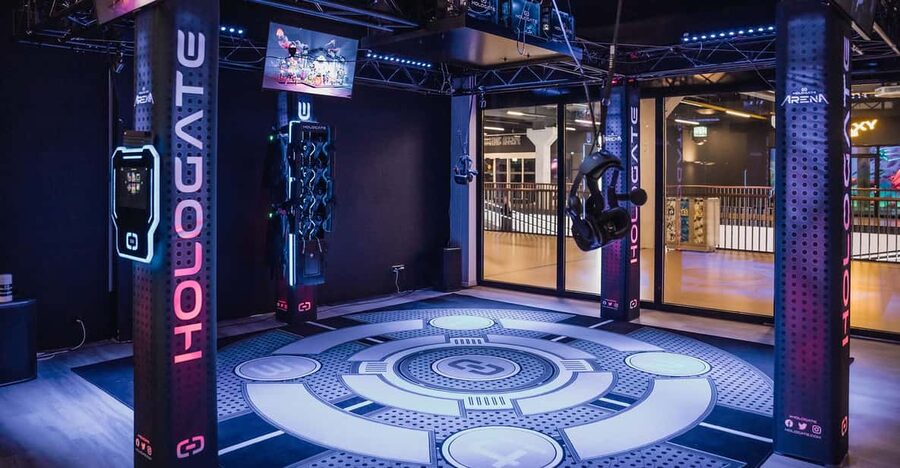
Zombie fights meet escape-room puzzles. In Zurich’s Virtual Reality Arena, you get VR gear, a real briefing, and a game world that reacts to your moves with realistic sound and sharp visuals. It’s the kind of activity that feels more like stepping into a game than watching one.
What I like most is the way the experience gives you real choices: zombie shooter, PvP shooter, or a virtual escape-room-style challenge. Each mode changes the pace and what you need to do—reflexes for shooting, strategy for PvP, and teamwork (and calm thinking) for puzzles.
One thing to watch: the meeting point can be confusing if you arrive late or after a typical dinner rush, and timing seems strict—so plan extra buffer time.
In This Review
- Key highlights before you go
- Zurich VR Arena: what the 15-minute experience really feels like
- Pick your mode: zombies, PvP shooter, or virtual escape room
- Zombie shooter: fast reflexes with a survival vibe
- PvP shooter: strategy, timing, and competition
- Virtual escape room: puzzles and team thinking
- The flow inside the arena: briefing, gear, and gameplay
- Price and value: why $26 can make sense in Zurich
- The staff and setup: why training matters more than you think
- Timing and the meeting point challenge (read this part carefully)
- Who this is best for (and who should skip it)
- What you can and can’t bring: keep it simple
- My verdict: should you book Zurich: Virtual Reality Arena?
Key highlights before you go
- Three game modes: zombie waves, PvP shooter matches, or virtual escape rooms
- Small group sessions (up to 4) that can change match dynamics
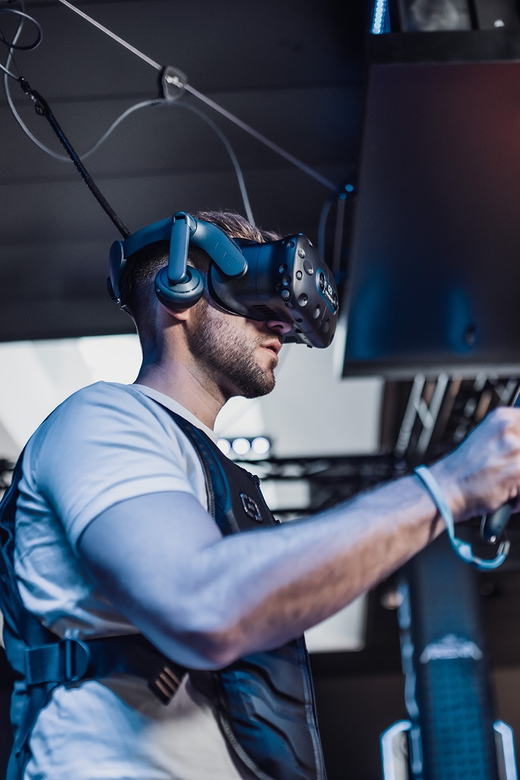
- Full briefing and training so you’re not figuring out VR on the fly
- Hygiene and safety gear plus staff support during the session
- A short 15-minute format that still packs a full VR round
More of Zurich indoors, museums and tickets
- Lindt Home of Chocolate Museum Entry Ticket★ 4.7 · 9,329 reviews
- Zurich Sights: Cruise, Lindt Chocolate and optional FIFA Ticket★ 4.0 · 1,028 reviews
- Zurich: Swiss National Museum Entry Ticket★ 4.6 · 267 reviews
- Zurich Highlights City Tour with Optional FIFA Museum Ticket★ 3.5 · 101 reviews
Zurich VR Arena: what the 15-minute experience really feels like
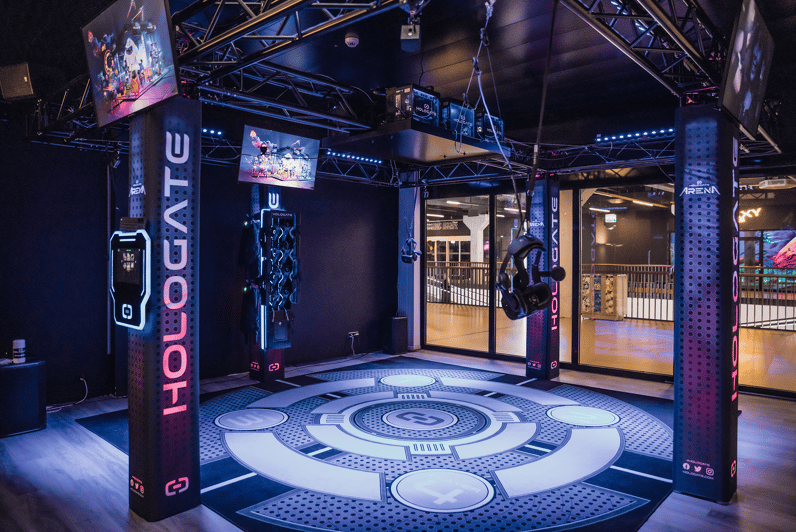
In Zurich, most “activity” options are either a slow walk, a long museum loop, or a pricey guided tour. This is different. The Zurich Virtual Reality Arena is built around one goal: get you into the action fast, then keep you there for one tight session.
You start with state-of-the-art VR equipment and a staff-led introduction. That matters more than people think. VR isn’t just about putting on a headset—it’s about comfort, safety, and getting your body used to what the game expects. If you’ve never used VR before, the training step is the difference between a fun session and a frustrating one.
Once you’re set, you’re in an interactive arena where your movement and aiming steer what happens next. You’re not observing. You’re playing.
And yes, you can choose what you’re playing. That’s a big deal for groups where people don’t all want the same kind of challenge. Some will want to shoot their way through zombies. Others will want a competitive PvP match. Puzzle-lovers usually get drawn in by escape-room challenges that require thinking rather than just shooting.
Pick your mode: zombies, PvP shooter, or virtual escape room
You’ll choose your adventure before gameplay begins. Here’s how the three modes tend to shape the experience.
Zombie shooter: fast reflexes with a survival vibe
If you choose the zombie shooter, expect wave-style pressure: you’re handling threats as they keep coming. This mode is great when you want intensity right away. You’ll rely on quick aiming, movement, and staying alert.
What makes this mode satisfying is that it creates urgency. There’s no quiet “learning stage” once the action starts. For me, that’s why short sessions work so well with this type of game: you don’t lose the thrill before you even settle in.
PvP shooter: strategy, timing, and competition
In PvP mode, you’re up against other players in a shooter environment. Because the arena is designed for small groups (limited to 4 participants), PvP feels like a controlled test of your skills rather than a chaotic free-for-all.
One reviewer with two people on board noted that having a full group can make it easier to win. That lines up with what you’d expect: more active players usually means more opportunities, more target visibility, and more defined “match flow.” If you’re coming as a duo, you might find the session less chaotic (and sometimes harder to read) than a full group slot—so bring a flexible attitude and focus on learning the tactics mid-game.


Virtual escape room: puzzles and team thinking
Escape rooms in VR are often where people surprise themselves. If you’re used to escape rooms being all about clues and locks, the VR version adds physical immersion and an interactive environment.
This is the mode I’d recommend if your group includes at least one non-shooter. Instead of quick reflexes being the only path to success, you’ll need to coordinate, interpret the virtual setting, and solve tasks under pressure.
Also, in a time-limited session, puzzle modes can feel great because the challenge is “contained.” You’re not committing to a long multi-hour storyline. You’re getting a taste of problem-solving teamwork in a sensory setting.
The flow inside the arena: briefing, gear, and gameplay
Here’s the typical rhythm you can expect once you show up.
First, you’ll receive VR equipment and go through a full briefing and training session. This is where staff can explain controls, safety rules, and how the game expects you to move. You also get professional support during the experience, which helps you stay focused on the game instead of second-guessing your setup.
Next comes gameplay. The time can vary depending on the selected experience: you might get a shorter session that matches the 15-minute advertised format, or you may experience longer gameplay (up to 15–60 minutes, depending on mode). The key point is that you’re not wandering around. You’re in one session with a clear start and finish.
Throughout, you’ll benefit from safety gear and hygiene measures. That can be a big comfort factor in a VR setting. Headsets get used by multiple people, and cleaning procedures plus staff support help make the whole experience feel more responsible and less like a one-off gimmick.
Finally, your session ends and you store your personal items. There’s free locker storage included, which is practical if you’re traveling through Zurich and don’t want to haul a bag around.
Price and value: why $26 can make sense in Zurich
At $26 per person for a short VR round, this isn’t “cheap entertainment.” But in Zurich—where a lot of things cost more just to walk into them—this can be good value if you’re aiming for high-impact fun in a compact time block.
Here’s where the value comes from:
- You get state-of-the-art VR equipment (not just a rental headset—this is set up by staff).
- You get full training plus professional assistance during gameplay.
- You’re choosing between multiple game modes, so it’s not a one-trick experience.
- You can use free locker storage, so you can show up without stress.
The main value question for you is simple: are you looking for a short, intense, interactive experience, or do you prefer slow-burn activities? If you’re the first type—this is a very efficient use of time.
Also, if you’re traveling with friends who disagree on what they want to do, the “pick your mode” structure is a practical win. It helps you avoid the classic group problem where everyone wants something different and you end up compromising.
The staff and setup: why training matters more than you think
I’m a big fan of activities where the staff treat the experience like a real program, not just a ticket scan. This place gives you a briefing and training session, and staff support throughout.
That support is especially valuable in VR because there’s a learning curve. Even if you’re coordinated, VR can feel different from normal screens. Your movements can be amplified, and your control scheme needs a moment to click.
Staff assistance reduces the time you spend adjusting, which means more of the session is spent in actual play. And because the group size is limited, you’re less likely to get lost in a crowd.
There’s also a safety and hygiene component: safety gear and cleanliness measures are included. That makes it easier to recommend to a broader range of people (as long as they’re allowed for their comfort level and health considerations).
Timing and the meeting point challenge (read this part carefully)
One drawback that came through in feedback is meeting-point confusion. One visitor described a meeting location that felt hard to find and close to an industrial-looking area (they even referenced a cement factory). They also said the game start time is strict, and being late can hurt your experience.
So here’s my practical advice: don’t arrive “close to” your start time. Arrive early enough to get oriented calmly, especially if you’re traveling with kids or you’re unfamiliar with the area.
If you’re the type who hates surprises, plan for an extra buffer and keep a way to contact the staff handy. And if something looks off, ask quickly rather than trying to power through with guesses.
Who this is best for (and who should skip it)
This VR Arena fits well if you want action you can actually feel—competitive shooting, zombie survival energy, or a brainy escape-room challenge.
It’s also a good fit for:
- Solo adventurers who want a fun “do it now” experience
- Small groups who want a shared activity without a long schedule
- Friends with different tastes, because you can pick different modes
- People who enjoy video-game-like challenges but want the physical sensation of VR
But it’s not for everyone. The activity comes with health and comfort notes you should take seriously:
- flashing lights and rapid movements may trigger seizures for people with epilepsy
- some experiences may involve enclosed spaces, which can affect people with claustrophobia
- certain virtual setups simulate high altitudes, which may trigger discomfort if you have a fear of heights
- motion sickness is listed as a reason it may not be suitable
- people with pre-existing medical conditions are listed as not suitable
- visually impaired people are listed as not suitable
- electronic devices and cellphones are not allowed, so travel light
One more thing: wheelchair accessibility is mentioned, but wheelchair users are also listed under not suitable. If you’re relying on mobility equipment, I’d treat this as a “double-check directly with the provider” situation before you book.
What you can and can’t bring: keep it simple
To keep the session smooth, follow the restrictions:
- no drinks and no alcohol and drugs
- no electric wheelchairs
- no electronic devices (including cellphones)
- no crutches
- no firework or explosive substances
- no nudity
What to bring is straightforward: you need a credit card or cash. That’s useful if you’re traveling through Zurich and prefer not to overthink payment.
If you’re the kind of traveler who always brings extras, you’ll probably appreciate how clean the rules are. The goal is to keep the physical space clear and protect the equipment and other players.
My verdict: should you book Zurich: Virtual Reality Arena?
Yes, you should book if you want a short, high-energy activity in Zurich that lets you choose between zombie chaos, PvP competition, or VR puzzles. The training and staff support make it feel more approachable than typical DIY VR setups, and the small group format can make the experience feel more personal than mass attractions.
Skip it—or at least think twice—if you’re sensitive to flashing lights, motion effects, enclosed spaces, or simulated height. And if you’re worried about logistics, arrive early and don’t assume the meeting spot will be obvious at first glance.
If you’re planning a tight itinerary, this is one of the best “time-efficient thrills” options around: it gives you a full VR gaming moment without eating your whole day.
More Tour Reviews in Zurich
- Lindt Home of Chocolate Museum Entry Ticket★ 4.7 · 9,329 reviews
- Zurich: Day Trip to Grindelwald, Interlaken & Lauterbrunnen★ 4.5 · 4,699 reviews
- Zurich: City Tour, Cruise, and Lindt Home of Chocolate Visit★ 4.5 · 4,624 reviews
- From Zurich: Bus Day Trip to Heidiland and Liechtenstein★ 4.5 · 2,531 reviews
- Zurich: City Highlights Tour by Bus, Cable Car, and Ferry★ 4.4 · 2,366 reviews
Zurich Under Cover
- Lindt Home of Chocolate Museum Entry Ticket★ 4.7 · 9,329 reviews
- Zurich Sights: Cruise, Lindt Chocolate and optional FIFA Ticket★ 4.0 · 1,028 reviews
- Zurich: Swiss National Museum Entry Ticket★ 4.6 · 267 reviews
- Zurich Highlights City Tour with Optional FIFA Museum Ticket★ 3.5 · 101 reviews
- Zurich: Lindt Home of Chocolate Museum Ticket & Transfer★ 3.7 · 83 reviews
Hot Off the Rails: Our Newest Zurich and Alpine Reviews
- Zurich: Private tour to Interlaken, Grindelwald & Jungfrau
★ 5.0 · 3 reviews - Zurich Premium Fitness Pass
★ 3.0 · 3 reviews - Lucerne and the mountains of Central Switzerland (Private Tours)
★ 5.0 · 3 reviews - Alpine Majesty:From Zürich to Jungfraujoch Exclusive Private Tour
★ 5.0 · 3 reviews - Lake Zurich mini boat tour / by night!
★ 5.0 · 3 reviews
Zurich Museums & Attractions, compared.
 ★ 4.7Lindt Home of Chocolate Museum Entry TicketFrom $229,329 reviews
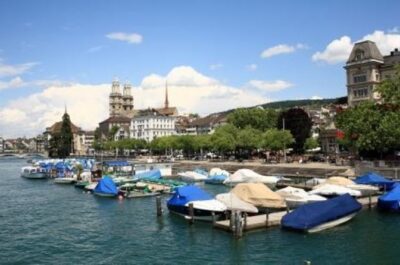 ★ 4.0Zurich Sights: Cruise, Lindt Chocolate and optional FIFA TicketFrom $1081,028 reviews
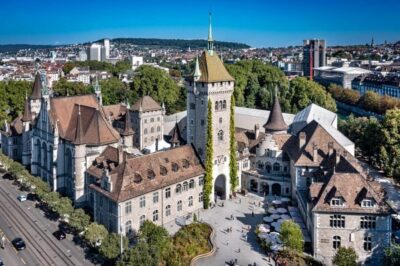 ★ 4.6Swiss National Museum Entry TicketFrom $17267 reviews
 ★ 4.0Lucerne Swiss Museum of Transport Entrance TicketFrom $46206 reviews
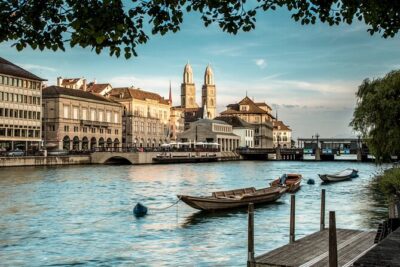 ★ 3.5Zurich Highlights City Tour with Optional FIFA Museum TicketFrom $46101 reviews
 ★ 3.7Lindt Home of Chocolate Museum Ticket & TransferFrom $12283 reviews
 ★ 3.0Tour in Lindt Home of Chocolate Museum From Zurich With pickup83 reviews
 ★ 4.5FIFA Museum TicketsFrom $3376 reviews
Browse the lists this tour appears in