
Reviewed · LUCERNE & LAKE LUCERNE
Lucerne: Classic City Walking Tour
Lucerne reveals itself fast when you walk its key stories block by block. I love how the route mixes major landmarks with small, tangible details—then explains what they meant to Swiss life and politics. I also like that you get medieval to Renaissance artwork and architecture in one smooth loop, not just a highlight list. One consideration: some of the most famous interiors are sometimes closed, like Ritter’s Palace on weekends/holidays and the Musegg Wall towers in Nov–Apr.
Here’s why this tour is worth your time: it’s built around how people actually moved through Lucerne—up hills, over bridges, along fortifications, and into the city’s civic and religious heart. You’ll hear the why behind the Lion Monument, see clockwork on the Musegg Wall towers, and end with the unsettling, famous Dance of Death paintings. Plan around seasonal closures so you’re not expecting every room to be open all year.
In This Review
- Key moments you’ll remember
- Lucerne on foot: why this 2-hour loop works
- Meeting up, then getting moving without fuss
- First stop: Bourbaki Museum and the human side of history
- Lion Monument to Musegg Wall: memorials with a skyline view
- Schirmerturm and Zeitturm: the fortifications aren’t just walls
- Into the historic center: wine market, fountains, and old alleys
- Peterskapelle and Furrengasse: the city’s founding stories in order
- Chapel Bridge: the most famous bridge, seen as a living passage
- Jesuit Church: baroque inside (when services allow)
- Cantonal government and Ritter’s Palace: civic power and stonework stories
- Dance of Death (Danse Macabre): art that forces you to look twice
- Price and value: what you’re paying for in a $323, 2-hour tour
- What you get besides the sights
- Who this Lucerne tour fits best
- Should you book it?
- FAQ
- How long is the Lucerne Classic City Walking Tour?
- What is the price per person?
- Is the tour private?
- Do you get pickup from your hotel?
- Which languages are available for the guide?
- Do I need public transportation to reach the old town?
- Are all attractions always open inside?
- Does the tour run in bad weather?
- Is cancellation possible?
Key moments you’ll remember
- Lion Monument: why the dying lion matters to Swiss memory
- Musegg Wall towers: still-preserved medieval fortification views and clockwork
- Old Town water stop: Pilatus spring water at the wine market and the fountain story
- Chapel Bridge and Peterskapelle: medieval origins, seen in sequence
- Ritter’s Palace courtyard: loggias plus the stone-carving story of Hans von Trient
- Dance of Death (Danse Macabre): seven paintings tied to Jakob von Wyl (around 1610)
More runs down to Lucerne and its lake
- From Zurich: Mount Titlis and Lucerne Day Tour★ 4.7 · 3,381 reviews
- Lucerne: Mt. Pilatus Cable Car, Cogwheel Train & Lake Cruise★ 4.7 · 2,338 reviews
- Lucerne: 1-Hour Cruise on Panoramic Yacht★ 4.6 · 1,514 reviews
- Mount Pilatus Summit from Lucerne With Lake Cruise★ 4.5 · 1,260 reviews
Lucerne on foot: why this 2-hour loop works
This isn’t a “see-everything” sprint. It’s a smart walk that keeps you in the center of Lucerne’s most story-heavy places, with short transitions that make the city feel like a connected whole.
In practice, that means you’re not just looking at famous sites—you’re learning how Lucerne built identity over centuries: survival, neutrality, civic pride, and the art people used to face uncomfortable truths. It’s a walking tour that gives context you can actually remember.
Meeting up, then getting moving without fuss
The tour starts with a guide who meets you at your hotel reception in Lucerne. You’ll also get a route briefing on a city map before you depart, which helps you orient quickly if you’re new to town.
A small practical note: you might need a bus ticket if your hotel is farther from the old town route, and the tour mentions it’s conducted in all weather. So wear real walking shoes, and bring a layer for sudden Central Switzerland weather changes.
First stop: Bourbaki Museum and the human side of history
You begin at the Bourbaki Museum. The key value here is the tone-setting: you’re not starting with pretty postcard views. You start with a historical lens that prepares you to understand why the later memorials and civic spaces hit harder.
From there, the walk transitions into the older parts of Lucerne’s identity. That’s the trick of the itinerary: it nudges you to interpret what you’re seeing, not just watch it go by.
Lion Monument to Musegg Wall: memorials with a skyline view
Next comes the Lion Monument, the one Lucerne is famous for. It depicts a dying lion and commemorates Swiss mercenaries who died during the turmoil of the French Revolution, including the storm connected to the Royal Palace.
If you only look at it from street level, you can miss how intentional it is as a public statement. With a guide, you’ll understand it as a kind of collective memory carved into the landscape—then you’ll carry that meaning into the rest of the walk.
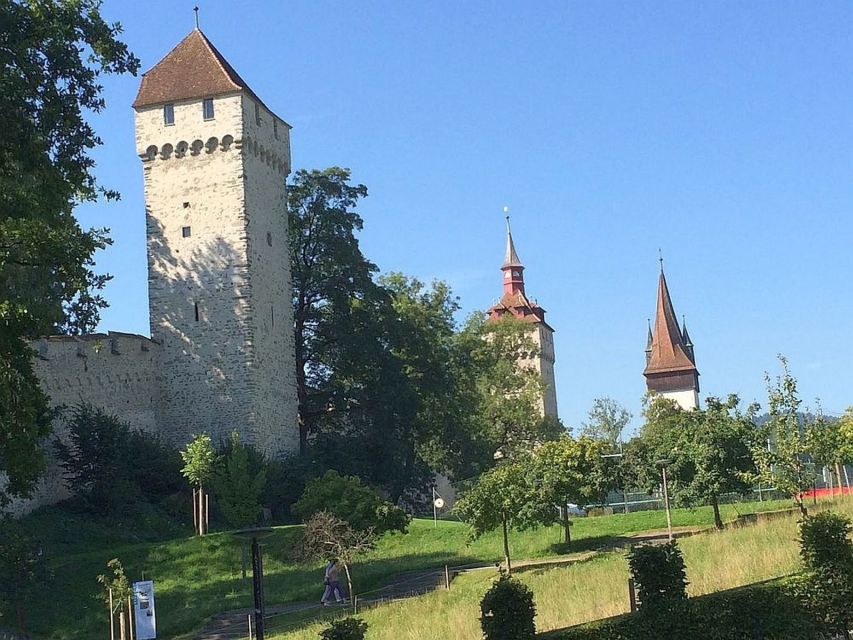
After a short walk (about 10 minutes) you reach the hill of the Musegg Wall, a still-preserved part of medieval Lucerne’s outer fortifications. This is where the tour turns scenic. You get a sense of why the city cared about defense, and why the old walls still shape views today.
Keep wandering the lanes of the Old Town


Schirmerturm and Zeitturm: the fortifications aren’t just walls
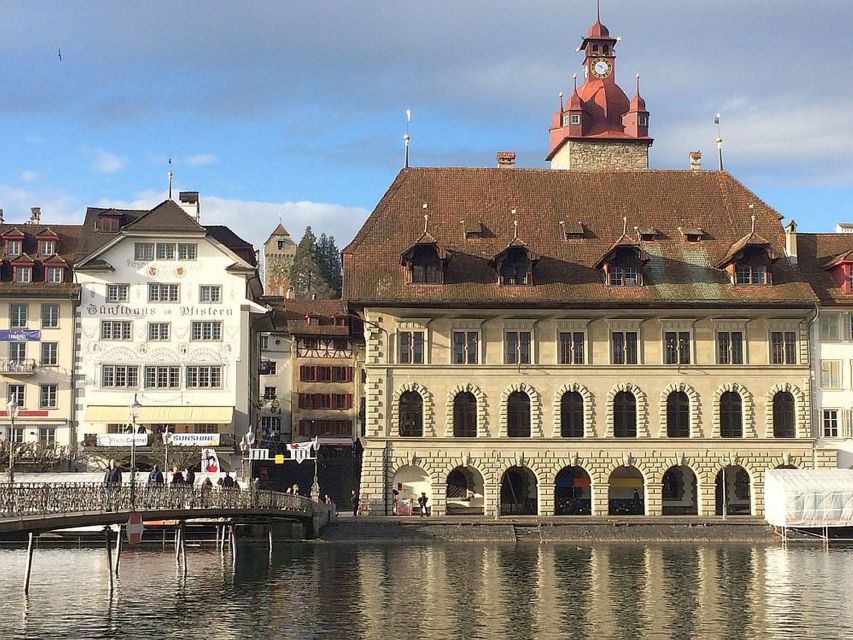
Once you’re at the Musegg Wall, you’ll visit the Schirmerturm and Zeitturm, including the clockwork from the late Middle Ages. The best part is that the guide ties architecture to Swiss political survival—wars, liberation movements, territorial expansion policy, and the idea of armed neutrality that’s still referenced today.
That connection matters because it changes how you read the city. A wall becomes more than a photo backdrop. You start noticing how Lucerne’s geography and fortifications support a long-term approach to safety and sovereignty.
Seasonal heads-up: between November and April, the Musegg Wall towers are closed and you can’t visit them from inside. The exterior experience and views are still likely worthwhile, but if towers-from-inside access is a must for you, check dates carefully.
Into the historic center: wine market, fountains, and old alleys
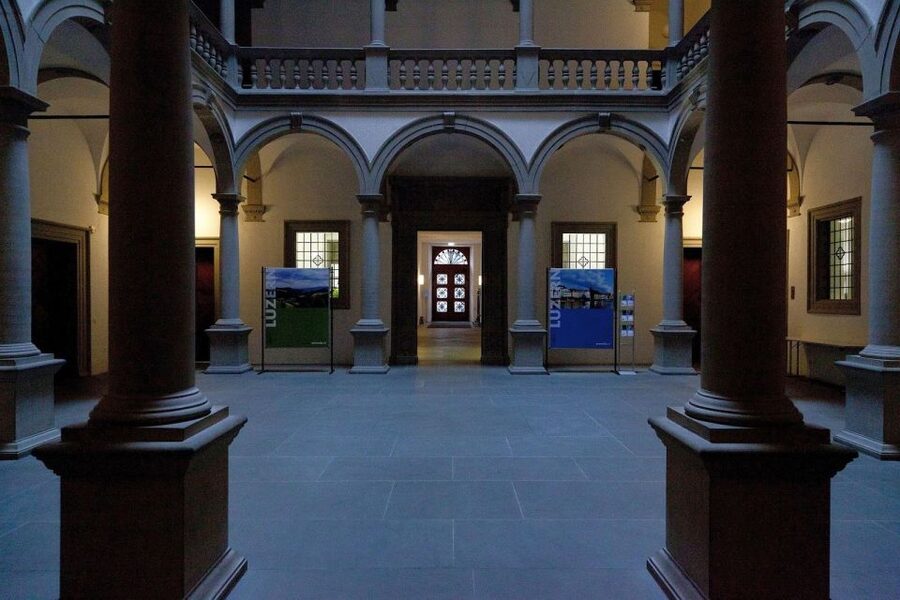
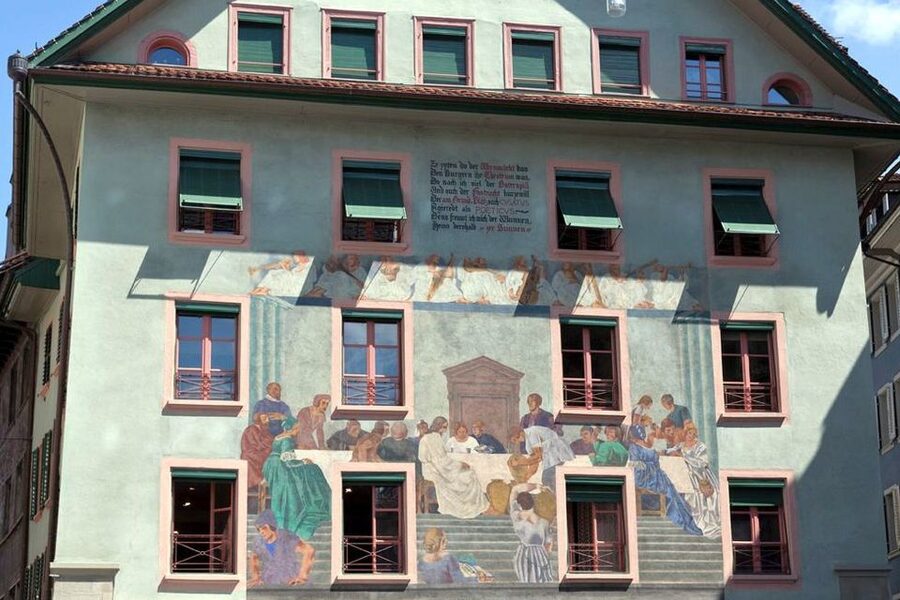
After the fortification stop, you’ll move into the heart of Old Town—stately homes, bridges, mural paintings, fountains, and narrow alleyways. This is the part of the tour that feels like wandering, except you’re learning as you go, so it doesn’t turn into aimless clock-watching.
One specific highlight is the wine market, where the city’s oldest fountain is located. You’ll also drink pure Pilatus spring water, and your guide explains why the old town well is considered the best water in Lucerne.
That might sound like a tiny detail, but it’s a very Lucerne kind of detail. The city’s charm isn’t only big monuments. It’s also practical everyday things—where people found water, how they gathered, and what locals considered worth preserving.
Peterskapelle and Furrengasse: the city’s founding stories in order
You’ll continue through Furrengasse toward Peterskapelle, described as the first church in Lucerne, dating back to the city’s founding in the 12th century. When you reach it in sequence after the market and fountains, it feels like the tour is stepping backward through time rather than randomly hopping between landmarks.
Pay attention to how your surroundings change at this point: the walk slows mentally. The guide’s historical framing helps you understand why an early church wasn’t just a religious building—it was a civic anchor in a developing town.
Chapel Bridge: the most famous bridge, seen as a living passage
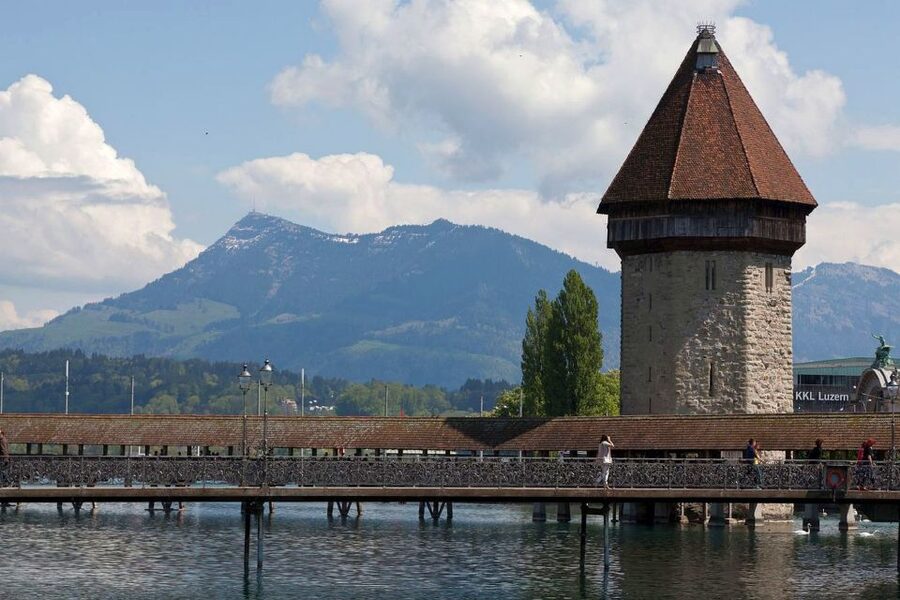
Then you’ll cross Chapel Bridge to the other side of the historic center. This is one of those places where you can take a photo in 10 seconds and miss the meaning entirely.
On the tour, you’ll connect it to how Lucerne actually functioned around the river—movement, trade, and the way bridges help define neighborhoods. Once you understand it as a passage shaping daily life, you’ll enjoy the crossing a lot more than if you just treat it as a must-do stop.
Jesuit Church: baroque inside (when services allow)
Just beyond the bridge area, you’ll visit the Jesuit Church. The tour specifically calls it the first baroque church in Switzerland and includes an interior visit except during church services.
This is a great moment to slow down. Baroque interiors can feel theatrical, but in a city like Lucerne they also feel purposeful—designed to communicate power, faith, and artistic confidence. If you’re someone who likes architecture details, this stop tends to deliver.
Cantonal government and Ritter’s Palace: civic power and stonework stories
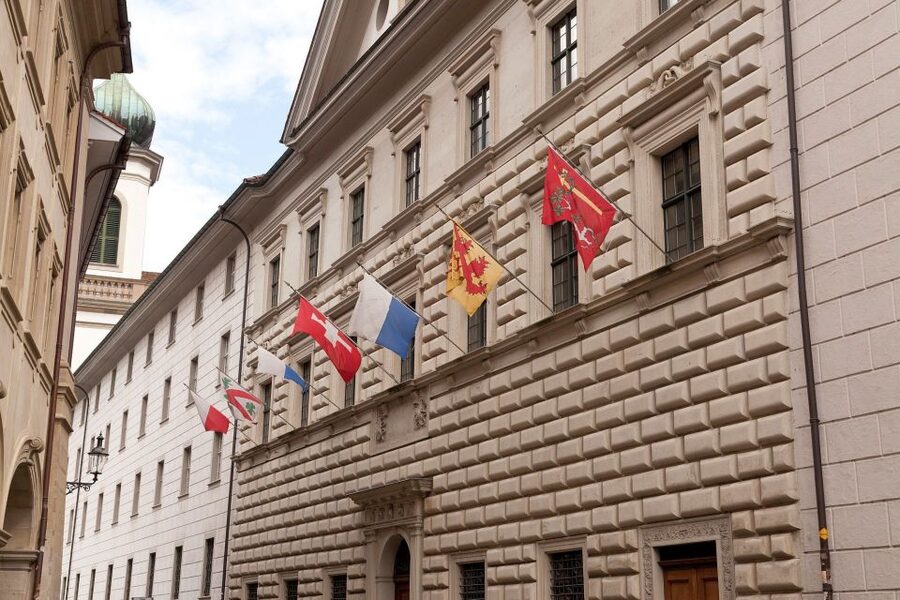
A few steps away you reach the cantonal government building, the former Ritter’s Palace, and Renaissance palazzos that feel imposing without needing exaggeration.
What I like about this segment is how it turns the idea of “important buildings” into something you can actually observe. You’ll see the courtyard with loggias and you’ll notice stone carvings tied to the unfortunate stonemason Hans von Trient.
That’s the kind of detail that stops a facade from being just a facade. It gives you a human thread through Renaissance craftsmanship—someone had a job, took risks, and left a mark through the story attached to the work.
One more key limitation: on Saturdays, Sundays, Holidays, and on special events, Ritter’s Palace is closed and you can’t visit the inside. If your dates line up with those days, you’ll still get the exterior and the context, but you’ll lose part of the experience.
Dance of Death (Danse Macabre): art that forces you to look twice
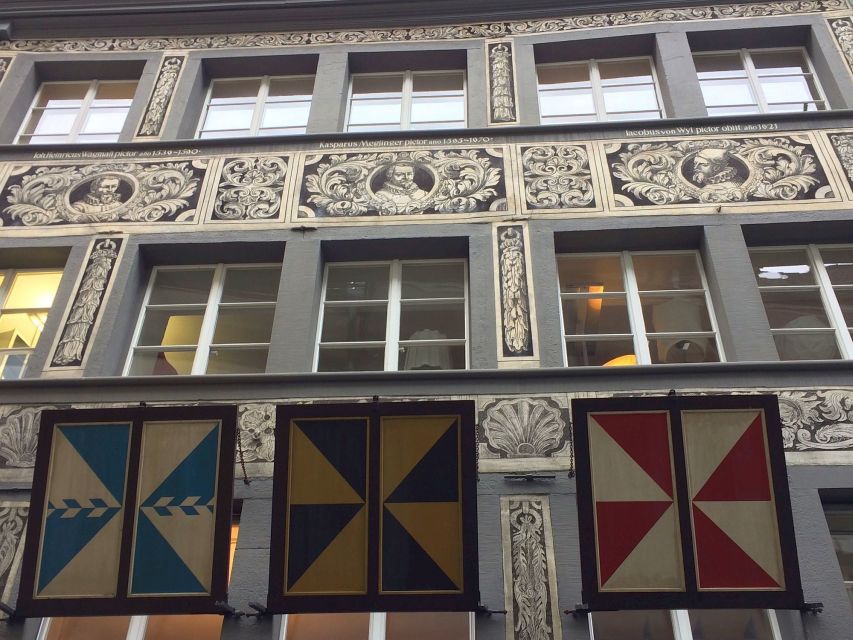
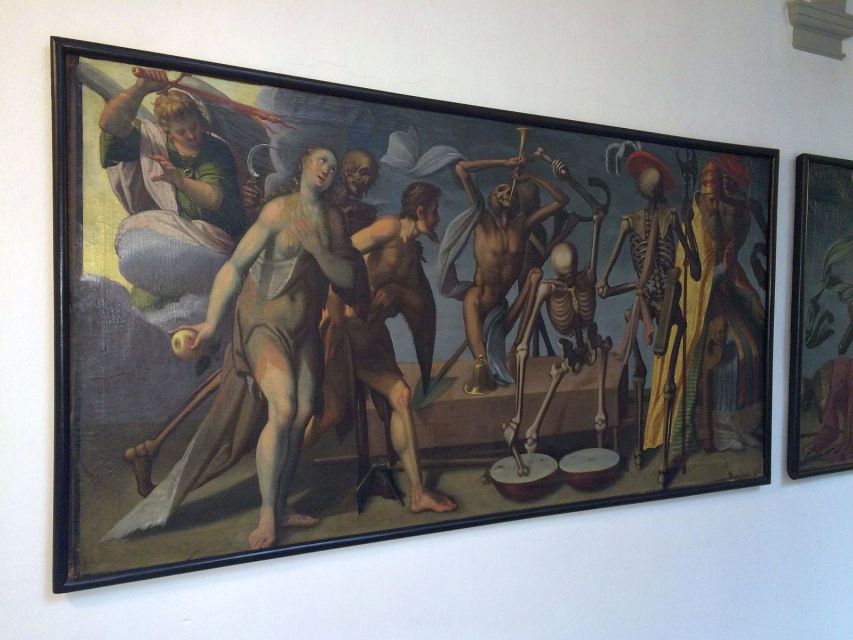
The walk concludes with a presentation of the seven paintings of the Dance of Death (Danse Macabre), created around 1610 by Jakob von Wyl.
This stop is powerful because it isn’t “decor.” It’s a moral and cultural message drawn in a visual language people understood. The Dance of Death tradition uses the skeleton and the idea of inevitable mortality to level everyone—so your modern reaction (shock, grim amusement, reflection) makes sense.
And the timing works. You’ve just walked through memorials, fortifications, churches, and palace courtyards. Ending with Danse Macabre gives the tour an emotional landing: Lucerne’s history wasn’t only about glory. It was also about fear, inevitability, and how societies used art to face them.
Price and value: what you’re paying for in a $323, 2-hour tour
At $323 per person for a 2-hour private group walking tour, you’re paying for access to a local guide who connects many sites into one coherent narrative.
Here’s the value logic I see: you’re not just paying for someone to point out buildings. You’re paying for the “why,” the background that makes the Lion Monument’s French Revolution connection, the Musegg Wall’s medieval fortification purpose, and the Danse Macabre’s Renaissance meaning click together in your mind.
Also, you avoid the hardest part of sightseeing in cities like Lucerne: the decision fatigue. You don’t have to figure out the route or which stops actually connect. Your guide sets the sequence so you hit the big landmarks while still getting smaller, meaningful moments like the wine market fountain and Pilatus spring water.
If you’re traveling with kids, or you prefer pure self-guided wandering, you might be happier with a cheaper day pass approach. But if you want Lucerne with context—and you like walking enough to make it worth a guide—this price can feel fair.
What you get besides the sights
Your tour includes a walking guide (English and German). You’ll also have pickup included from all hotels in Lucerne, and it’s a private group, which matters because it keeps the pace and questions more flexible than a crowded shared tour.
That private setup is especially helpful for tours where the story matters, like this one. When you can ask a question without feeling rushed, you’ll get more out of the political history and the artwork explanations.
Who this Lucerne tour fits best
This tour is ideal if you want a strong “first week in Lucerne” experience: a walk that gives you enough context to enjoy the city on your own afterward.
I’d especially recommend it to:
- History-minded travelers who like clear, human stories tied to real places
- People who want both iconic spots and practical details (water, fountains, church timing)
- Travelers who appreciate architecture but don’t want to research every stop beforehand
If you’re traveling in cold months, check tower and interior closures in advance. If you’re visiting on a weekend or holiday, expect that Ritter’s Palace interior might not be accessible.
Should you book it?
Book this tour if you want Lucerne with explanation—and you’re happy to walk for 2 hours through the city’s most central corridors. The combination of the Lion Monument, Musegg Wall towers (when open), Chapel Bridge, the Jesuit Church, and the Danse Macabre paintings gives you a lot of meaning per minute.
Skip or adjust expectations if you’re traveling during the closure window for Musegg Wall towers (Nov–Apr) or on days when Ritter’s Palace is closed (weekends, holidays, special events). The outdoor and interpretive parts should still be worthwhile, but the “inside” pieces matter to how full the experience feels.
If your goal is to leave Lucerne knowing what made it itself—not just seeing what’s famous—this is a solid bet.
FAQ
How long is the Lucerne Classic City Walking Tour?
The tour runs for 2 hours.
What is the price per person?
The price is listed as $323 per person.
Is the tour private?
Yes, it’s a private group.
Do you get pickup from your hotel?
Yes. Pickup is included from all hotels in Lucerne, meeting at the hotel reception.
Which languages are available for the guide?
The live guide is available in English and German.
Do I need public transportation to reach the old town?
You may require a bus ticket from your hotel to the old town and back, depending on where your hotel is.
Are all attractions always open inside?
No. The Musegg Wall towers are closed between November and April, and Ritter’s Palace is closed on Saturdays, Sundays, Holidays, and on special events.
Does the tour run in bad weather?
Yes. It’s conducted in all weather conditions, so dress accordingly.
Is cancellation possible?
Free cancellation is available up to 24 hours in advance for a full refund.
More Tour Reviews in Lucerne
- From Zurich: Mount Titlis and Lucerne Day Tour★ 4.7 · 3,381 reviews
- Lucerne: Mt. Pilatus Cable Car, Cogwheel Train & Lake Cruise★ 4.7 · 2,338 reviews
- Lucerne: 1-Hour Cruise on Panoramic Yacht★ 4.6 · 1,514 reviews
- Mount Pilatus Summit from Lucerne With Lake Cruise★ 4.5 · 1,260 reviews
- Lucerne: Round-Trip Catamaran Cruise on Lake Lucerne★ 4.4 · 1,169 reviews
More of the Old Town on Foot
- Lucerne: eTukTuk City Tour★ 4.9 · 268 reviews
- Official Guided City Tour of Lucerne★ 4.5 · 141 reviews
- City Tour Plus Lucerne by Etuktuk★ 5.0 · 120 reviews
- Tony`s private city tour with picnic & chocolate degustation★ 5.0 · 80 reviews
- Chocolate Tasting with Lake Trip and City Tour: The Ultimate Lucerne Experience★ 5.0 · 22 reviews
Down to Lucerne, Again
- From Zurich: Mount Titlis and Lucerne Day Tour★ 4.7 · 3,381 reviews
- Lucerne: Mt. Pilatus Cable Car, Cogwheel Train & Lake Cruise★ 4.7 · 2,338 reviews
- Lucerne: 1-Hour Cruise on Panoramic Yacht★ 4.6 · 1,514 reviews
- Mount Pilatus Summit from Lucerne With Lake Cruise★ 4.5 · 1,260 reviews
- Lucerne: Round-Trip Catamaran Cruise on Lake Lucerne★ 4.4 · 1,169 reviews
Hot Off the Rails: Our Newest Zurich and Alpine Reviews
- Luzern Elegance: Private City Walk and Panoramic Lake Cruise
★ 5.0 · 3 reviews - Lucerne: Legends of Lake Lucerne – Steamboat Experience
★ 5.0 · 3 reviews - Lucerne: Glacier Express’s Swiss Alps & Lucerne Private Tour
★ 5.0 · 3 reviews - Lucerne Lakeside and Villas Private Walking Tour
★ 5.0 · 3 reviews - Lucerne: Private Walking Tour and Chocolate Tasting
★ 5.0 · 3 reviews
Lucerne & Lake Lucerne, compared.
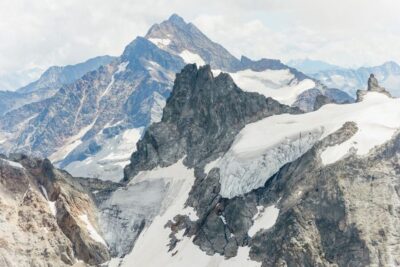 ★ 4.7Mount Titlis and Lucerne Day TourFrom $2143,381 reviews
 ★ 4.7Mt. Pilatus Cable Car, Cogwheel Train & Lake CruiseFrom $2122,338 reviews
 ★ 4.5Mount Titlis and Lucerne Day Trip from ZurichFrom $2151,960 reviews
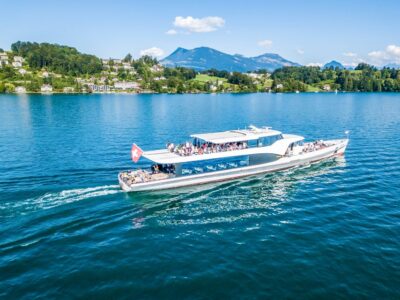 ★ 4.61-Hour Cruise on Panoramic YachtFrom $391,514 reviews
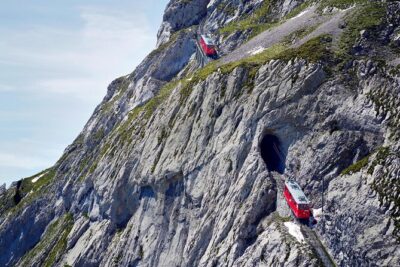 ★ 4.5Mount Pilatus Summit from Lucerne With Lake CruiseFrom $2231,260 reviews
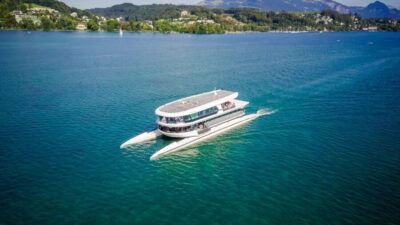 ★ 4.4Round-Trip Catamaran Cruise on Lake Lucerne1,169 reviews
 ★ 4.7Mt. Pilatus Gondola, Cable Car, and Boat TripFrom $1411,143 reviews
 ★ 4.8Lucerne & Mount Pilatus Day TourFrom $2381,110 reviews
Browse the lists this tour appears in