
Reviewed · LUCERNE & LAKE LUCERNE
Lucerne: Private Exclusive History Tour with a Local Expert
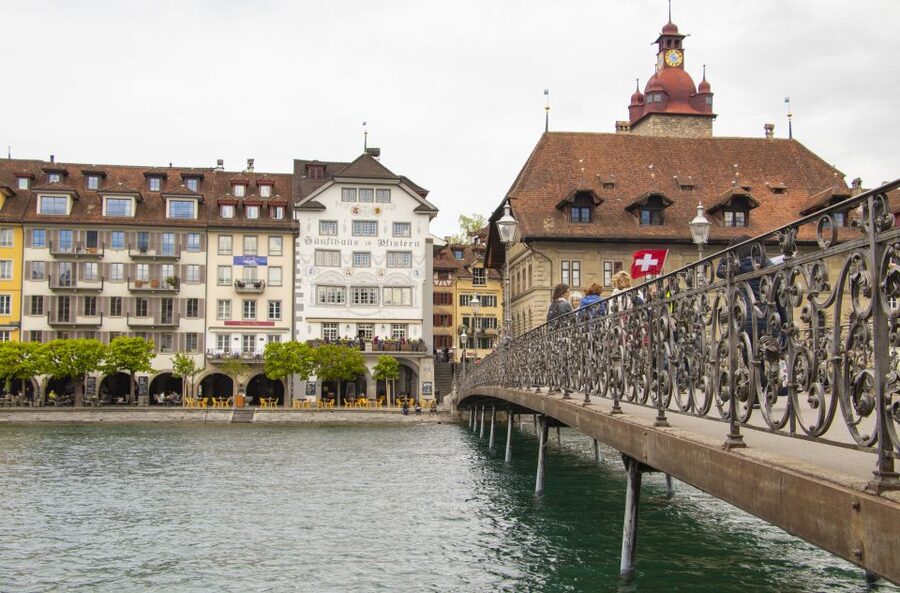
A bridge tells stories, and so does this tour. This private, intimate history walk in Lucerne is built around real landmarks like Kapellbrücke (Chapel Bridge) and the Hofkirche St. Leodegar, with a guide who adjusts the pace to your group. I especially like the tailored feel of a private outing and the way the tour connects architecture to the big moments that shaped the city. One thing to consider: it’s not suitable for people with mobility impairments, and you’ll want comfortable shoes for the walking.
What makes it work well is the mix of clear storytelling and practical pacing. You also get curated recommendations for what to do next in town, which helps you turn a short visit into a smoother itinerary instead of wandering with no plan. The only drawback is that weather can shift stops, so if you’re on a tight schedule, expect a little flexibility.
In This Review
- Key things I’d circle before you book
- Why a private walking tour in Lucerne feels different
- Getting oriented: starting by Torbogen Luzern near Luz bistro
- Chapel Bridge (Kapellbrücke): the landmark that carries the city
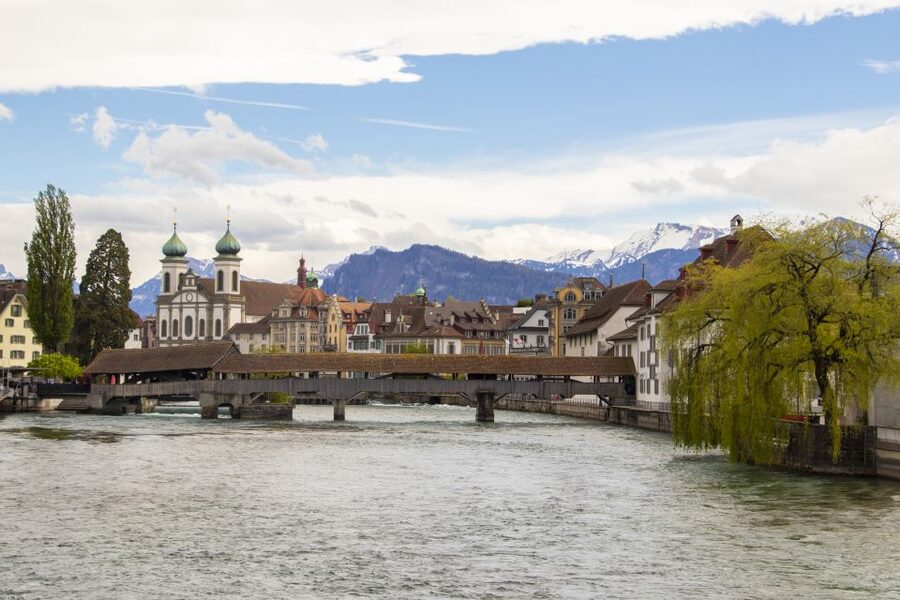
- Hofkirche St. Leodegar: why a church belongs in the story
- From small fishing village to Confederation to tourism: what the timeline explains
- How the guide tailoring works (and what you should do with it)
- What you actually get (and what you should budget for)
- Meeting point and flow: simple start, easy finish
- Who this tour is best for (and who might skip it)
- Practical tips to make it smoother
- Should you book this Lucerne private history tour?
- FAQ
- Where do we meet for the Lucerne tour?
- How long is the tour?
- Which languages are offered?
- Is this tour private?
- What’s included in the price?
- Can I cancel, and is there a pay-later option?
- Is the tour suitable for people with mobility impairments?
Key things I’d circle before you book
- Private and exclusive for your group, so questions don’t get brushed off
- Chapel Bridge (Kapellbrücke) explained as a key piece of Lucerne’s identity
- Torbogen Luzern to Hofkirche St. Leodegar gives you a tight, logical old-town route
- Tailored itinerary based on your interests and walking pace
- Multilingual guide options (English, French, German, Spanish, Italian)
- Curated next-step recommendations to help you keep exploring after the tour
More runs down to Lucerne and its lake
- From Zurich: Mount Titlis and Lucerne Day Tour★ 4.7 · 3,381 reviews
- Lucerne: Mt. Pilatus Cable Car, Cogwheel Train & Lake Cruise★ 4.7 · 2,338 reviews
- Lucerne: 1-Hour Cruise on Panoramic Yacht★ 4.6 · 1,514 reviews
- Mount Pilatus Summit from Lucerne With Lake Cruise★ 4.5 · 1,260 reviews
Why a private walking tour in Lucerne feels different
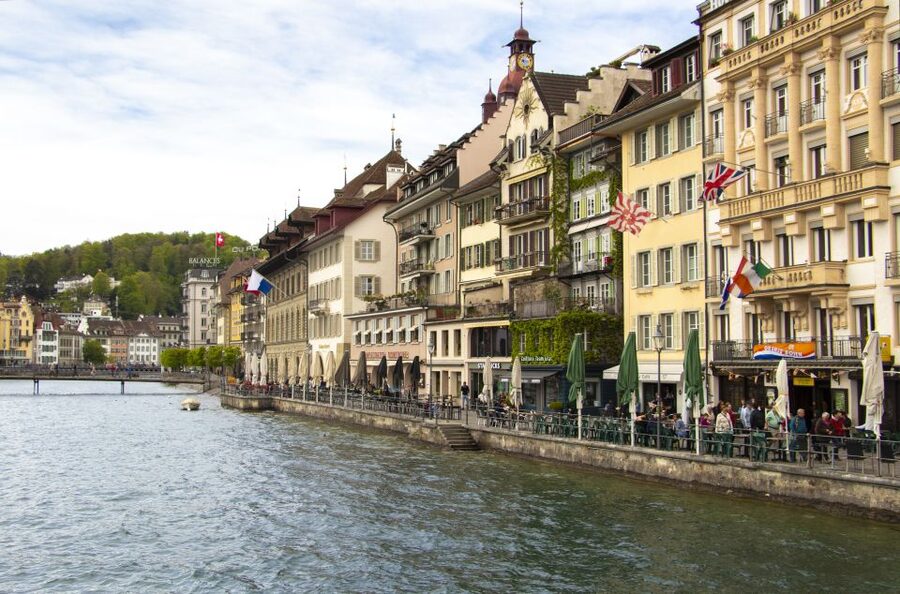
Lucerne can be an easy city to “see.” Chapel Bridge, the lakeside views, the postcard streets. But it’s also a place where details matter: why certain buildings look the way they do, why the old town developed the way it did, and why a local Swiss German dialect variant still carries traces of the past.
That’s where this exclusive private format shines. With a group that stays together, you can ask follow-up questions without the awkward shuffle that happens on larger group tours. If you like history, you’ll get the big timeline: Lucerne beginning as a small fishing village, then becoming part of the Swiss Confederation, experiencing Napoleonic rule, and later transforming into a tourist destination in the 19th century. If you’re more of a “show me how it connects” person, the guide’s job is to translate those eras into what you’re standing in front of.
At $207 per person for a 2–3 hour walking experience, it’s not a budget add-on. The value is the private attention and the tailored route, not museum ticket hours. If you’d rather spend less and cover everything fast, you might prefer a group tour. If you want a smarter, higher-quality walk—especially around Chapel Bridge and the historic church area—this can be money well spent.
Getting oriented: starting by Torbogen Luzern near Luz bistro
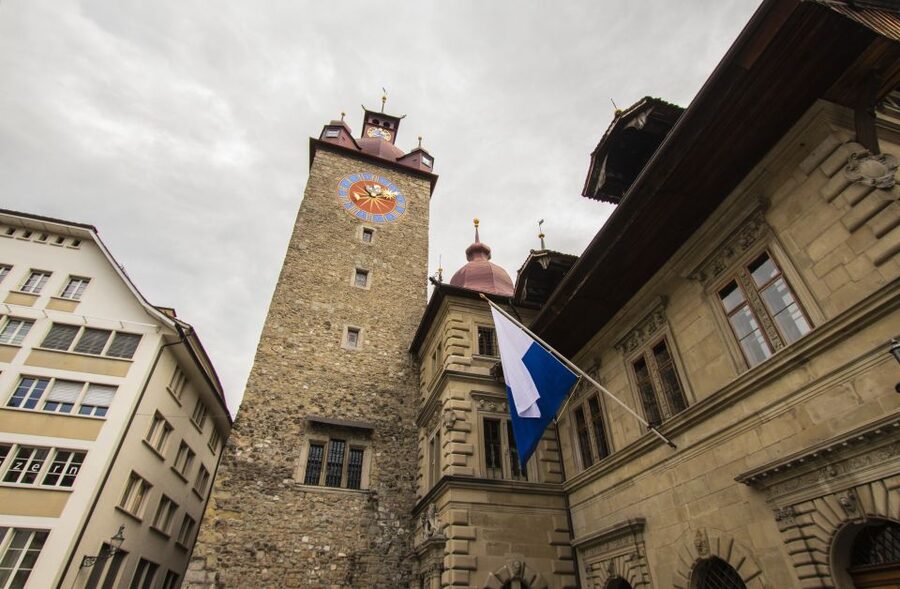
You meet in front of Luz bistro, near Torbogen Luzern, and the tour ends back at the meeting point. That matters more than it sounds. Starting in this zone helps you lock onto Lucerne’s shape quickly. You’re not dropped into the middle of nowhere; you’re beginning from a practical landmark area.
From there, the tour route takes you through the historic core toward major sights, with the guide shaping the pace and stops. Even if you’ve seen photos of Lucerne’s signature spots, walking the route with local context tends to change how you look at them. A bridge becomes more than a view. A church becomes more than a pretty façade. You start noticing how the city’s layout supports daily life, trade, and authority—then you start seeing the timeline in the stones.
Practical tip: wear comfortable shoes. This is explicitly a walking tour, and the itinerary can change with weather. A charged smartphone is also a good idea so you can save notes or photos right as you hear the explanation.
Chapel Bridge (Kapellbrücke): the landmark that carries the city
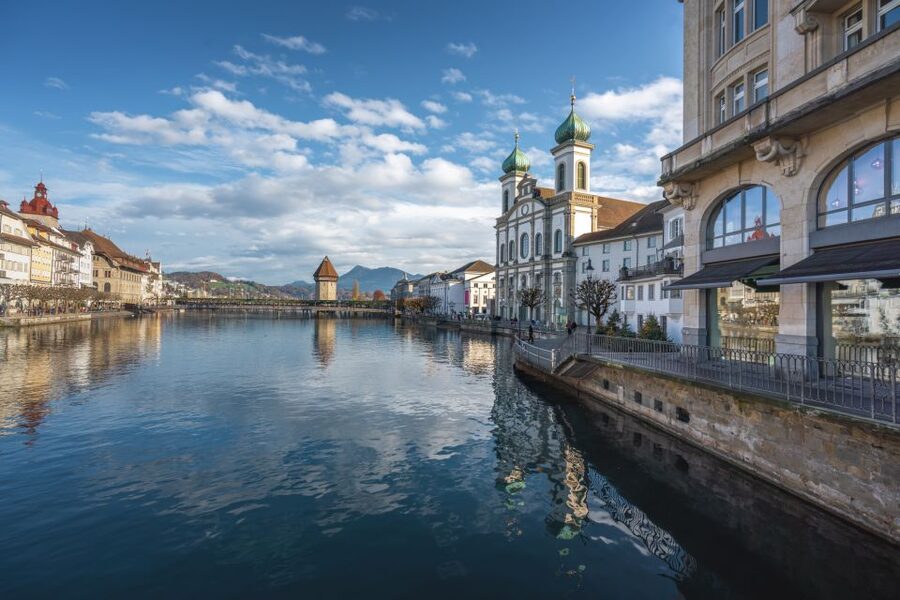
Kapellbrücke (Chapel Bridge) is the headline sight, and for good reason. It’s not only one of Lucerne’s best-known views; it’s tied to the way the city developed and defended itself, and it helped shape how Lucerne identified itself over time.
During your walk, you’ll hear how Chapel Bridge has defined Lucerne’s history. In practical terms, that usually means two things:
- you get the story behind why the bridge matters in the first place, not just when it was built
- you connect the bridge to the city’s shifting eras—Swiss Confederation life, outside political pressure during Napoleonic times, and the later shift toward tourism in the 19th century
This is where the private guide format pays off. If you care about political changes, you’ll focus more on the Confederation and rule changes. If you care about urban design, you’ll likely ask more about how the bridge and old-town street network shaped movement and daily routines.
Possible drawback: if you’re expecting a “stop for photos, quick facts, bye” style tour, you may find the narrative more detailed than you need. The benefit is also the tradeoff: this is built around meaning, not just snapping pictures.
Hofkirche St. Leodegar: why a church belongs in the story
Next up is Hofkirche St. Leodegar. A church can look like a single building, but in Lucerne it’s also a signpost of power, community life, and long-term planning. When you approach a historic church during a guided walk, you’re not just seeing architecture—you’re seeing how religious and civic identities were intertwined.
What I like about including this stop in a short private route is that it broadens the story beyond one icon. Chapel Bridge is the “Lucerne postcard” anchor. Hofkirche gives you a second angle: the spiritual and social side of the city’s past.
You’ll connect the dots between those historic eras—how Lucerne grew from a small fishing village, then into a Confederation-linked city, then through Napoleonic rule, and later into a tourist destination in the 19th century. Even if you’re not a history buff, that timeline helps you interpret what you see. Why would a city invest in major structures? Who benefits? What changes when a place becomes a destination?
This stop also tends to work well for photo lovers, because churches and surrounding squares often frame better than narrow riverfront lanes. Keep your camera ready, but don’t rush. If your guide senses you want the story more than the snapshot, you can slow down.
Prefer to keep it to your own group? More private Swiss days out



From small fishing village to Confederation to tourism: what the timeline explains
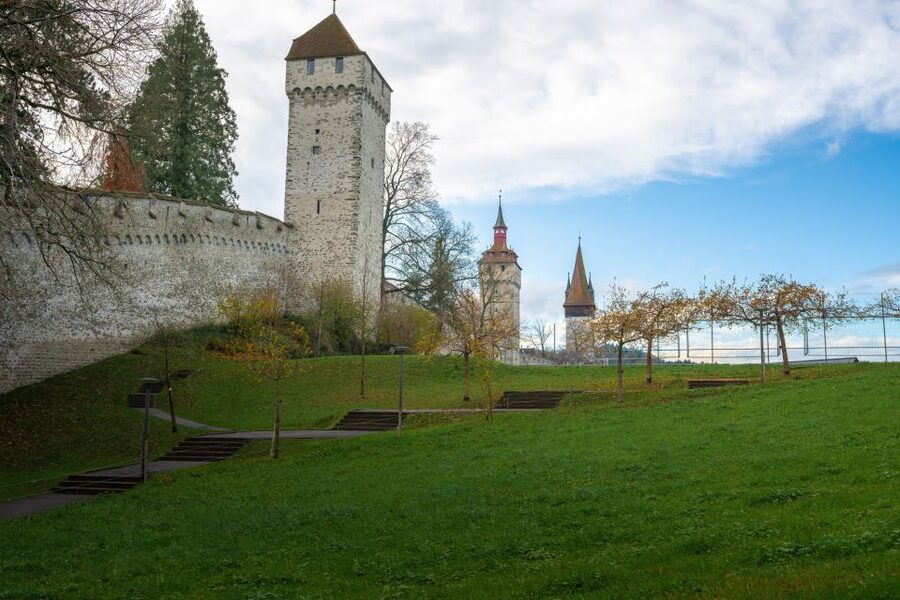
A lot of “history tours” throw names at you. This one is meant to make the timeline stick by tying it to what you’re walking past. You learn how Lucerne’s development moved through key phases:
- starting as a small fishing village
- becoming part of the Swiss Confederation
- experiencing Napoleonic rule
- later becoming a tourist destination in the 19th century
Here’s the practical value: those shifts explain why Lucerne can feel both “old and organized” and “designed for visitors” at the same time. Modern tourism doesn’t erase the past; it changes what gets emphasized, preserved, and presented.
The tour also addresses something that many visitors miss: the city’s dialect. You’ll learn how Lucerne’s Swiss German dialect—described as a variant of Swiss German—developed, and how it can still be heard today. That’s not just trivia. Language differences help you understand identity. They also tell you where a place kept its roots even as political control and economic priorities changed.
If you like learning that feels usable, not just academic, this kind of explanation is a big win. You leave with a mental map of causes: economy shifts lead to city growth; political changes influence institutions; later tourism influences what gets maintained and showcased.
How the guide tailoring works (and what you should do with it)
This is a private group tour with a local expert, and the itinerary adapts to your interests and walking pace. That’s important because people come to Lucerne for different reasons. Some want architecture and legends. Others care about political history. Some just want enough context to feel confident walking around afterward.
Here’s how to get the most out of tailoring:
- Before you start, decide what you want most: bridge story, church architecture, dialect/language, or the political timeline.
- Ask for a slower pace if you like details, or faster movement if you want more sights.
- If weather changes stops, treat it as a way to keep the tour coherent rather than a “loss.” The guide’s job is to still connect the same themes in the spaces you can reach comfortably.
One of the strongest signals from the feedback is professionalism and a respectful approach to what the group wants to see. A guide named Manuela is highlighted as punctual, friendly, and careful with pace and priorities. That kind of behavior matters on a private tour: it keeps things smooth, avoids rushing, and makes it easier to ask questions without feeling like you’re interrupting.
What you actually get (and what you should budget for)
The tour includes:
- an exclusive private tour
- a local expert guide
- a tailored itinerary
Not included:
- personal expenses
- entry tickets for transportation, museums, and monuments
This matters for your budget. You don’t want to assume every stop has an included ticket. If you’re the type who likes to pair walking history with a quick museum visit, you’ll likely need extra funds beyond the tour price.
On the timing side, it’s listed as 2–3 hours, with starting times dependent on availability. In practice, a tour this length works best as either:
- a first-day orientation walk, so you know where to go next, or
- a “context layer” walk halfway through your trip, so your later self-guided exploring makes more sense.
If you only have a tiny window in Lucerne, this can still be useful, but you’ll want to plan the rest of your day with some breathing room.
Meeting point and flow: simple start, easy finish
The simplicity here is a quiet advantage. You meet at Luz bistro near Torbogen Luzern, and you end right back at the meeting point. That reduces the mental load. No long transit, no complicated end location, no guessing where you’ll be afterward.
Also, the guide will work in live format and offers English, French, German, Spanish, or Italian. That’s useful if you’re traveling as a mixed-language group.
And yes, weather can change stops. On a walking tour, this is normal. The best move is to dress for Swiss conditions and bring what you can: water helps, and a charged phone helps if you need to check timing or photos.
Who this tour is best for (and who might skip it)
I think this works especially well for:
- couples or small groups who want a private, unhurried walk
- travelers who like explanations that connect monuments to bigger events
- people who want Chapel Bridge and the historic church area but don’t want to wander without context
- visitors who value dialect and cultural details, not only buildings
You might choose something else if:
- you have mobility limits that make walking difficult (it’s explicitly not suitable for people with mobility impairments)
- you want a quick photo route with minimal narrative
- you’re trying to cover every museum in Lucerne in one day without separate tickets or time
Practical tips to make it smoother
Bring:
- comfortable shoes
- water
- a charged smartphone
Before you go:
- think about your top 1–2 interests (bridge story vs. church vs. political timeline vs. dialect)
- plan your day so you’re not rushing right after the tour—part of the value is using the guide’s recommendations for your next stops
- if you’re sensitive to steps or uneven pavement, ask ahead and be honest about what you can handle, since the tour is not positioned for mobility impairments
Also, keep entry tickets and transportation costs in mind. The tour is about guided walking and interpretation; it doesn’t promise everything is included.
Should you book this Lucerne private history tour?
I’d book it if your goal is to understand Lucerne in a short time without feeling like you’re on rails. The price is steep for a walking tour, but the private format, the local expert, and the focus on Chapel Bridge plus Hofkirche make it feel purpose-built rather than generic. You also get helpful next-step guidance, which makes it easier to keep exploring after the two to three hours are done.
Skip it if your priority is minimizing cost or you need a low-walking, accessibility-friendly plan. In that case, you’ll likely feel better with a different option.
If you’re aiming for the best “meaning per minute” walk in Lucerne, this one is a strong candidate—especially if you care about how a city’s political changes show up in the places you can still see today.
FAQ
Where do we meet for the Lucerne tour?
You meet in front of Luz bistro near Torbogen Luzern, and the tour starts from there.
How long is the tour?
The duration is listed as 2 to 3 hours, and starting times depend on availability.
Which languages are offered?
The live guide is available in English, French, German, Spanish, and Italian.
Is this tour private?
Yes. It’s an exclusive private tour for a private group.
What’s included in the price?
Included are the exclusive private tour, a local expert guide, and a tailored itinerary.
Can I cancel, and is there a pay-later option?
Yes. You can cancel up to 24 hours in advance for a full refund, and you can reserve now and pay later.
Is the tour suitable for people with mobility impairments?
No, it’s not suitable for people with mobility impairments.
More Tours in Lucerne
- From Zurich: Mount Titlis and Lucerne Day Tour★ 4.7 · 3,381 reviews
- From Lucerne: Mount Titlis Half-Day Tour with Ice Flyer★ 4.6 · 1,099 reviews
- Lucerne: Private Walking Tour with a Local Guide★ 4.6 · 450 reviews
- Lucerne Walking & Boat Tour: The Best Swiss Experience★ 4.5 · 417 reviews
- Lucerne: Guided Walking Tour with an Official Guide★ 4.7 · 321 reviews
More Tour Reviews in Lucerne
- From Zurich: Mount Titlis and Lucerne Day Tour★ 4.7 · 3,381 reviews
- Lucerne: Mt. Pilatus Cable Car, Cogwheel Train & Lake Cruise★ 4.7 · 2,338 reviews
- Lucerne: 1-Hour Cruise on Panoramic Yacht★ 4.6 · 1,514 reviews
- Mount Pilatus Summit from Lucerne With Lake Cruise★ 4.5 · 1,260 reviews
- Lucerne: Round-Trip Catamaran Cruise on Lake Lucerne★ 4.4 · 1,169 reviews
Down to Lucerne, Again
- From Zurich: Mount Titlis and Lucerne Day Tour★ 4.7 · 3,381 reviews
- Lucerne: Mt. Pilatus Cable Car, Cogwheel Train & Lake Cruise★ 4.7 · 2,338 reviews
- Lucerne: 1-Hour Cruise on Panoramic Yacht★ 4.6 · 1,514 reviews
- Mount Pilatus Summit from Lucerne With Lake Cruise★ 4.5 · 1,260 reviews
- Lucerne: Round-Trip Catamaran Cruise on Lake Lucerne★ 4.4 · 1,169 reviews
Hot Off the Rails: Our Newest Zurich and Alpine Reviews
- Luzern Elegance: Private City Walk and Panoramic Lake Cruise
★ 5.0 · 3 reviews - Lucerne: Legends of Lake Lucerne – Steamboat Experience
★ 5.0 · 3 reviews - Lucerne: Glacier Express’s Swiss Alps & Lucerne Private Tour
★ 5.0 · 3 reviews - Lucerne Lakeside and Villas Private Walking Tour
★ 5.0 · 3 reviews - Lucerne: Private Walking Tour and Chocolate Tasting
★ 5.0 · 3 reviews
Lucerne & Lake Lucerne, compared.
 ★ 4.7Mount Titlis and Lucerne Day TourFrom $2143,381 reviews
 ★ 4.7Mt. Pilatus Cable Car, Cogwheel Train & Lake CruiseFrom $2122,338 reviews
 ★ 4.5Mount Titlis and Lucerne Day Trip from ZurichFrom $2151,960 reviews
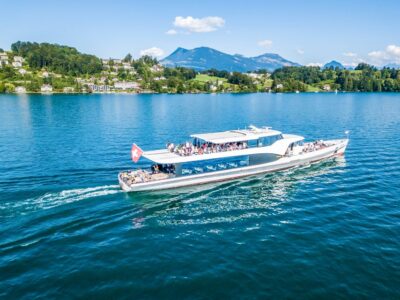 ★ 4.61-Hour Cruise on Panoramic YachtFrom $391,514 reviews
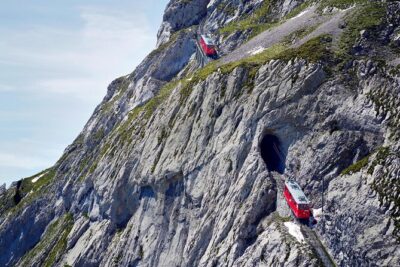 ★ 4.5Mount Pilatus Summit from Lucerne With Lake CruiseFrom $2231,260 reviews
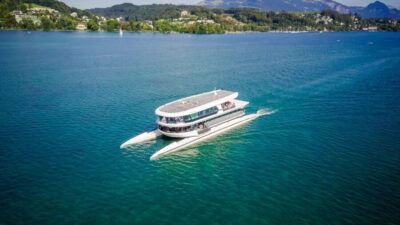 ★ 4.4Round-Trip Catamaran Cruise on Lake Lucerne1,169 reviews
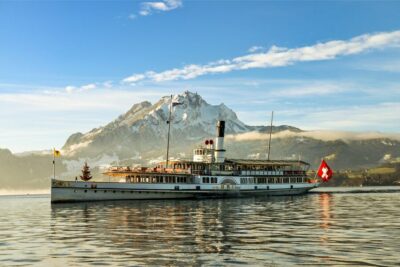 ★ 4.7Mt. Pilatus Gondola, Cable Car, and Boat TripFrom $1411,143 reviews
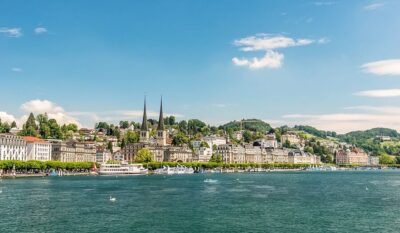 ★ 4.8Lucerne & Mount Pilatus Day TourFrom $2381,110 reviews
Browse the lists this tour appears in