
Reviewed · LUCERNE & LAKE LUCERNE
Lucerne: 1-Hour Historical Tour with Night Watchman
One horn, then the night watchman steps in. This 1.5-hour walk turns Lucerne’s landmarks into stories—starting right by Chapel Bridge—so you don’t just see old stone, you hear how people lived and feared it.
Two things I really like: first, the guide uses old references and on-the-street storytelling, including the Lucerne Chronicle of Diebold Schilling and a 1597 city map by Martin Martini. Second, you get a steady route of recognizable stops—Kapellplatz, Kornmarkt, the town hall wall markers, and more—without it dragging.
The only real drawback to consider is length and pacing: at about 1.5 kilometers, it’s compact, and it’s not meant to be an extended sit-down tour. Also, it’s not aimed at young kids (it’s not suitable for children under 10), and it runs in all weather.
In This Review
- Key highlights you’ll feel right away
- A 1.5-hour walk that makes medieval Lucerne make sense
- Starting by Chapel Bridge: the horn, the mood, and the map
- Chapel Bridge to Kapellplatz and Kornmarkt: the practical city markers
- Brandgässli and the 1833 fire: small street, big memory
- Dressmakers, murder, and guild stories you can picture
- Wine market and the art of war: mercenaries, rules, and reality
- The linden tree, pillory, and court order details
- Zöpfli, Reuss Bridge, and the old apothecary window
- Ritter Palace, Hans von Trient vs. Luzius Ritter, and the Death Dance
- What the guides are like (and why it affects value)
- Who should book this tour—and who should skip it
- Practical stuff to get right before you go
- Is it good value at $39?
- Should you book Lucerne’s Night Watchman tour?
- FAQ
- How long is the Lucerne 1-Hour Historical Tour with Night Watchman?
- What does the tour cost?
- Where does the tour start?
- Is the tour guided, and what language is it in?
- What sights are part of the route?
- Is it wheelchair accessible?
- What should I wear or bring?
- Is there anything not included in the price?
- Is it suitable for children?
- Can I cancel for a full refund?
Key highlights you’ll feel right away
- Fire-horn start + night watchman call sets a dramatic tone from the first minute
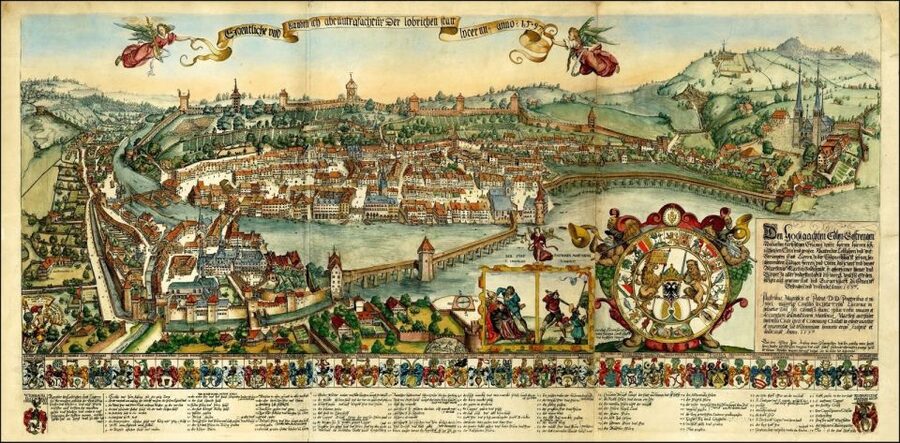
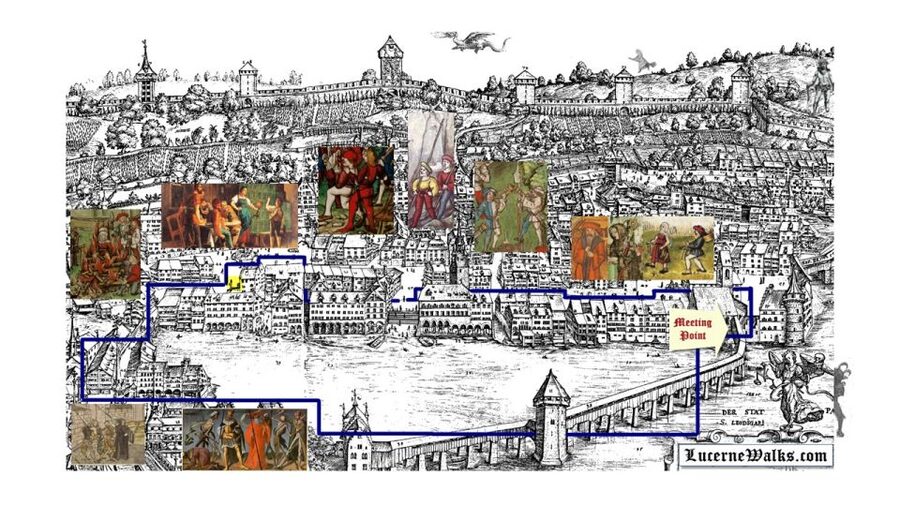
- Martin Martini’s 1597 city map helps you see Lucerne the way Renaissance artists charted it
- Law and order stops explain medieval court life, pillory, interrogation, and legal violations
- Mercenaries and Swiss art of war stories connect local history to larger European power struggles
- Touchpoints you can point to later: Elle and Fuß at the town hall wall, Alte Suidtersche Apotheke window, and Jakob von Wal’s Death Dance
- Great value for a short evening at $39 per person for a focused, story-driven route
More runs down to Lucerne and its lake
- From Zurich: Mount Titlis and Lucerne Day Tour★ 4.7 · 3,381 reviews
- Lucerne: Mt. Pilatus Cable Car, Cogwheel Train & Lake Cruise★ 4.7 · 2,338 reviews
- Lucerne: 1-Hour Cruise on Panoramic Yacht★ 4.6 · 1,514 reviews
- Mount Pilatus Summit from Lucerne With Lake Cruise★ 4.5 · 1,260 reviews
A 1.5-hour walk that makes medieval Lucerne make sense
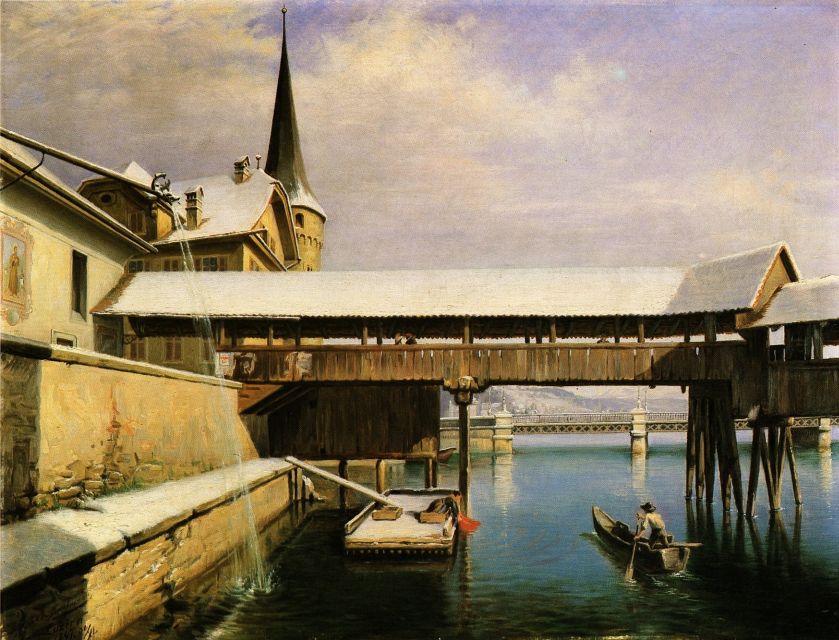
This tour is built like a story with scenes, not a checklist. You’ll start on the right bank of the river by Chapel Bridge, then the night watchman signals the night—fire horn first, then his call. It’s a small theatrical touch, but it works because it frames everything that follows: crime, punishment, work, rumor, and power.
At $39 per person, the price feels fair for what you get: a guided walk that packs in multiple famous names from Lucerne’s past, plus visual aids that help you follow along quickly. The result is a tour that’s intense in facts, but not exhausting in pace.
If you want a history evening that’s easy to fit between sightseeing stops, this one is a strong candidate. You’re out for about 1.5 hours, covering roughly 1.5 kilometers, and you end back where you started.
Starting by Chapel Bridge: the horn, the mood, and the map
The route begins where most people naturally pause anyway—by Chapel Bridge. You’ll hear the fire horn, then the night watchman calls out, and that shift into “nighttime Lucerne” is the trick that makes the rest of the walk click.
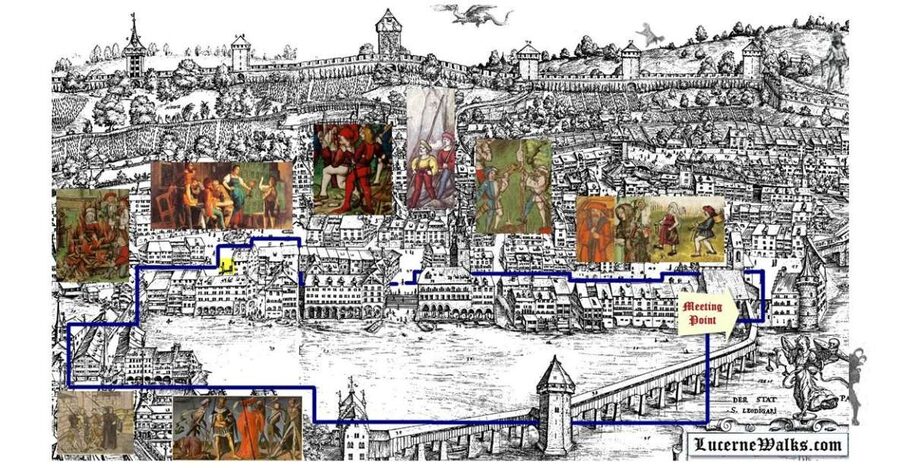
Before the tour really moves, you’ll be able to look at a city map tied to Martin Martini (1597). That map isn’t just decoration. It gives you a visual anchor so the streets you walk feel connected to what was once planned, sketched, and remembered.
This is also where the tour earns its “old and new media” promise. You get traditional historical references, and the guide uses them in a way that’s easy to follow while you’re standing in the right place.
Chapel Bridge to Kapellplatz and Kornmarkt: the practical city markers
Once you’re moving, you head through central squares and lanes that feel made for wandering. You’ll reach Kapellplatz, then continue along Furrengasse toward Kornmarkt—an area where Lucerne’s civic life shows up in the built form.
One stop I like for its concreteness is the town hall wall markers: the Luzerner Elle and the Luzerner Fuß. These were measurement standards, and hearing what they meant in daily life helps the town hall area feel less abstract. You’re not just looking at architecture—you’re learning why precision mattered in trade and rules.
Then you get a story step: the guide brings up the giant of Reiden. Even if the tale itself isn’t your usual history topic, it shows how local legend and public identity traveled through the same streets as legal and commercial life.
Brandgässli and the 1833 fire: small street, big memory
Next comes Brandgässli, a lane tied to the night of fire in 1833. This is one of those locations where the meaning of a street name becomes the whole point. Standing there, you start to understand how quickly disasters turn into local lore.
Because the tour is timed well, you don’t feel like you’re stuck in one era too long. You get medieval Lucerne, then reminders that even “later” events still shaped how the town told its own story.
More of the city history, up close
Dressmakers, murder, and guild stories you can picture
A standout moment is the stop at the guild house of dressmakers. It’s paired with the legend of the night of murder in Lucerne, and the guide frames it in a way that feels like you’re hearing the town’s explanation of what went wrong—and how the community responded.
Guild buildings can be easy to overlook when you’re rushing. Here, that’s not the case. You’ll connect the craft world (dressmaking) to the social rules and fear of wrongdoing that kept medieval life tightly policed.
This is also where the guide’s pacing matters. You’re listening, then walking, then listening again. It keeps the route from turning into a lecture that you have to carry around in your head.
Wine market and the art of war: mercenaries, rules, and reality
From there, you reach the wine market, and the conversation shifts toward conflict and enforcement. You’ll hear about the Swiss art of war and mercenaries, which helps explain how violence was organized, hired for, and understood—not just romanticized.
That theme also links directly to the tour’s focus on law and order in the Middle Ages. Lucerne wasn’t only pretty bridges and clean squares. It was a place with punishments, interrogation, and court procedures, and you’ll learn how those pieces fit together.
If you like history that explains systems—who had authority, how decisions were made—this is a good match. The tour doesn’t only tell stories; it gives you context for why the stories mattered.
The linden tree, pillory, and court order details
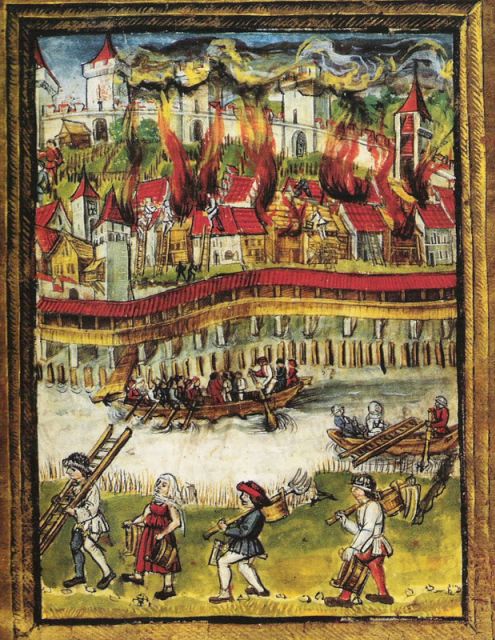
Another memorable stop is by the linden tree, where the pillory and the bank once stood. That’s a powerful location because it grounds what can feel like dark theory. When you hear the guide describe court order, legal violations, and interrogation techniques, you can mentally place them into a real civic space.
This is also one of the reasons the tour works even if you don’t consider yourself a “history person.” The guide makes the abstract practical. You can understand what happened because you can see where power was displayed.
It’s worth noting that the tour covers all weather, so being outdoors while concentrating matters. If rain is likely, plan to keep your hands dry and your notes protected so you don’t lose the thread.
Zöpfli, Reuss Bridge, and the old apothecary window
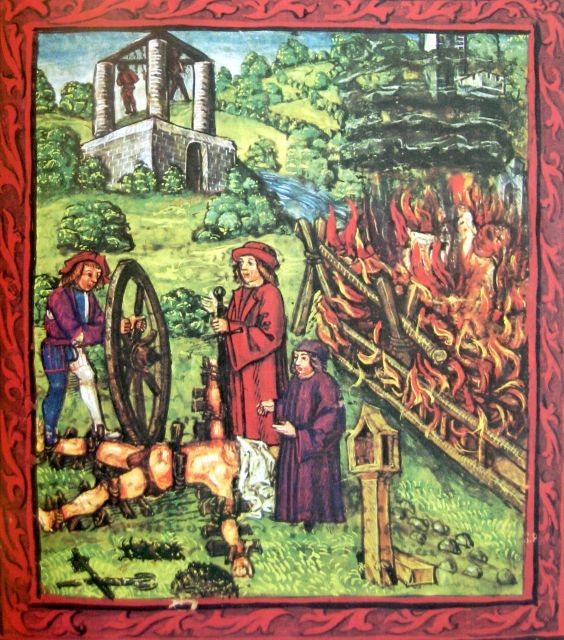
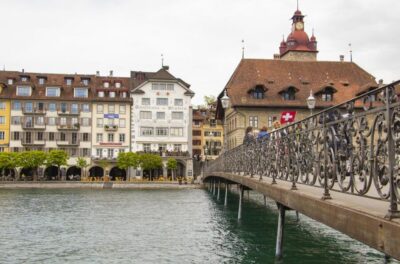
If there’s time, you may stop at Zöpfli, described as one of the most beautiful river spots in the old town. Even when time is tight, this kind of pause helps you reset. You get to look at the water and let the stories settle before the route moves again.
Then you cross Reuss Bridge and pass the first mint. That’s a subtle but important cue that Lucerne wasn’t only defending itself—it was also dealing with currency, trade, and the everyday machinery of authority.
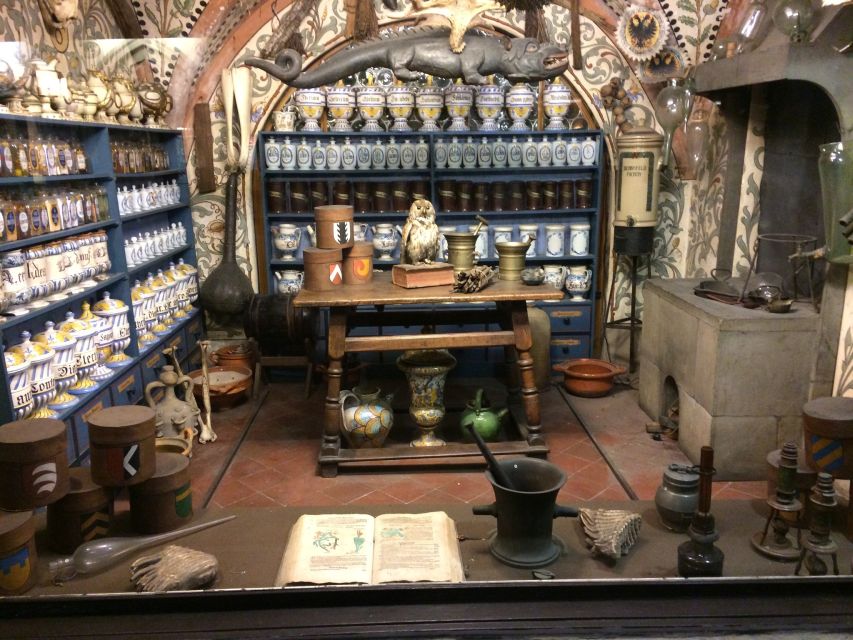
The tour continues to the medieval Alte Suidtersche Apotheke and its display window. Apothecaries were part science, part business, part social trust. Seeing the window after hearing legal and war stories makes Lucerne feel like one connected system instead of separate “tour stops.”
Ritter Palace, Hans von Trient vs. Luzius Ritter, and the Death Dance
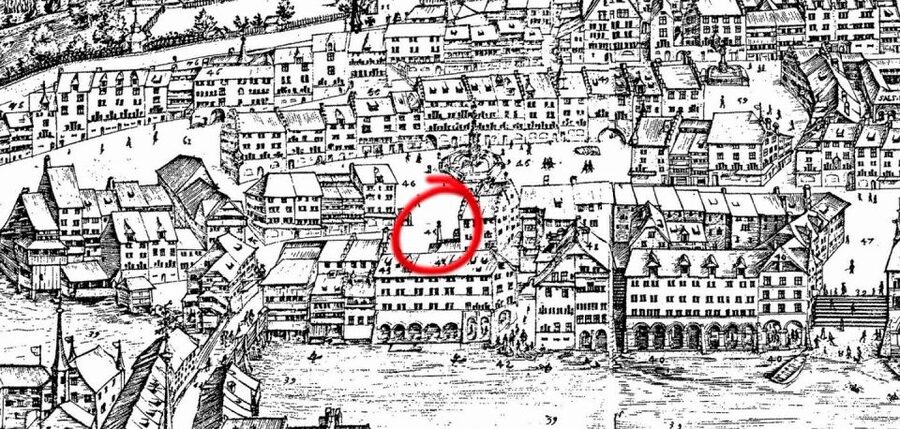
The final stretch leans hard into named characters, especially the tension between Hans von Trient and his adversary Luzius Ritter. These names give the end of the tour narrative momentum. You’re not just walking anymore—you’re closing a plot.
You’ll also watch the dance of death by Jakob von Wal. That stop changes the mood in a useful way. After crimes, courts, and conflict, the Death Dance reminds you that medieval life included constant awareness of mortality. It’s heavy, but it fits the tour’s “nighttime Lucerne” theme without feeling like random gloom.
Finally, you stroll back across Chapel Bridge to the starting point. That loop matters because it gives you a clean mental map. You can picture the route later, not just the highlights.
What the guides are like (and why it affects value)
The biggest reason this tour earns strong ratings is the guide energy. Guides like Rolf are described as engaging, humorous, and very quick at turning history into something you can follow in real time. In short: you’re not trying to translate facts yourself.
You’ll also feel the benefit of good visual support. People specifically highlight that the tour comes with excellent aids that help you understand fast while standing on cobblestones. That’s a practical advantage, not a “nice to have,” because it reduces your reliance on remembering everything later.
Who should book this tour—and who should skip it
You’ll probably love it if you want:
- A focused walking tour that fits an evening
- Medieval Lucerne with clear explanations of law, punishment, and civic life
- Named stories tied to specific places (not generic “history talk”)
- A guide who uses humor and visuals to keep you engaged
You might skip it if:
- You need a long, slow tour with plenty of seated time (this one is short and moving)
- You’re traveling with kids under 10
- You’re expecting a purely daytime architectural walk (this is built around nighttime storytelling style)
Practical stuff to get right before you go
The route is about 1.5 kilometers, and comfortable shoes matter. The tour runs in all weather, so pack an umbrella or waterproof layer. Since you’ll be outside the whole time, even a small weather change can affect comfort and attention.
Wheelchair access is good for the full route with a foldable wheelchair. It’s not accessible with an electric wheelchair or electric scooter because the stair lift on Chapel Bridge isn’t suitable for them.
Private or small groups are available, which can help if you like asking questions. English is the guide language, and the tour has a clear structure that doesn’t assume you already know medieval Lucerne.
Is it good value at $39?
For $39, you’re paying for three things: a guided route, a live night watchman presentation style, and a tight itinerary with multiple recognizable stops. With only about 1.5 hours on the clock, you’re also buying efficiency—you get a lot of named history and place-based context without losing the evening.
If you’d otherwise spend hours bouncing between attractions without context, this tour is usually the better use of time. You come out with stories you can attach to the buildings instead of just photos.
Should you book Lucerne’s Night Watchman tour?
Book it if you want a short, high-impact evening that connects Chapel Bridge, civic life, law and order, and medieval characters into one walk. It’s also a strong choice if you appreciate humor and visual aids, because the guide approach is clearly part of the draw.
Skip it if you’re only looking for casual sightseeing or you need a very long tour. At 1.5 hours, it’s focused by design—excellent for getting oriented fast, not ideal for lingering.
If you’re in Lucerne for a limited time, this is one of those “do it early and you’ll enjoy the rest more” experiences.
FAQ
How long is the Lucerne 1-Hour Historical Tour with Night Watchman?
The tour duration is 1.5 hours.
What does the tour cost?
The price is $39 per person.
Where does the tour start?
You start on the right bank of the river by the Chapel Bridge.
Is the tour guided, and what language is it in?
Yes. It includes a live tour guide, and the tour is in English.
What sights are part of the route?
The route includes stops such as Kapellplatz, Kornmarkt, the town hall wall with the Luzerner Elle and Luzerner Fuß, the wine market, Reuss Bridge, the medieval Alte Suidtersche Apotheke display window, Ritter Palace, and the Death Dance by Jakob von Wal.
Is it wheelchair accessible?
The tour is accessible with a foldable wheelchair. It is not accessible with an electric wheelchair or electric scooter due to the stair lift on Chapel Bridge.
What should I wear or bring?
Wear comfortable footwear, and since it runs in all weather, bring an umbrella or waterproof jacket.
Is there anything not included in the price?
Transfers are not included.
Is it suitable for children?
It is not suitable for children under 10.
Can I cancel for a full refund?
Yes—free cancellation is available up to 24 hours in advance for a full refund.
More Tours in Lucerne
- From Zurich: Mount Titlis and Lucerne Day Tour★ 4.7 · 3,381 reviews
- From Lucerne: Mount Titlis Half-Day Tour with Ice Flyer★ 4.6 · 1,099 reviews
- Lucerne: Private Walking Tour with a Local Guide★ 4.6 · 450 reviews
- Lucerne Walking & Boat Tour: The Best Swiss Experience★ 4.5 · 417 reviews
- Lucerne: Guided Walking Tour with an Official Guide★ 4.7 · 321 reviews
More Tour Reviews in Lucerne
- From Zurich: Mount Titlis and Lucerne Day Tour★ 4.7 · 3,381 reviews
- Lucerne: Mt. Pilatus Cable Car, Cogwheel Train & Lake Cruise★ 4.7 · 2,338 reviews
- Lucerne: 1-Hour Cruise on Panoramic Yacht★ 4.6 · 1,514 reviews
- Mount Pilatus Summit from Lucerne With Lake Cruise★ 4.5 · 1,260 reviews
- Lucerne: Round-Trip Catamaran Cruise on Lake Lucerne★ 4.4 · 1,169 reviews
Down to Lucerne, Again
- From Zurich: Mount Titlis and Lucerne Day Tour★ 4.7 · 3,381 reviews
- Lucerne: Mt. Pilatus Cable Car, Cogwheel Train & Lake Cruise★ 4.7 · 2,338 reviews
- Lucerne: 1-Hour Cruise on Panoramic Yacht★ 4.6 · 1,514 reviews
- Mount Pilatus Summit from Lucerne With Lake Cruise★ 4.5 · 1,260 reviews
- Lucerne: Round-Trip Catamaran Cruise on Lake Lucerne★ 4.4 · 1,169 reviews
Hot Off the Rails: Our Newest Zurich and Alpine Reviews
- Luzern Elegance: Private City Walk and Panoramic Lake Cruise
★ 5.0 · 3 reviews - Lucerne: Legends of Lake Lucerne – Steamboat Experience
★ 5.0 · 3 reviews - Lucerne: Glacier Express’s Swiss Alps & Lucerne Private Tour
★ 5.0 · 3 reviews - Lucerne Lakeside and Villas Private Walking Tour
★ 5.0 · 3 reviews - Lucerne: Private Walking Tour and Chocolate Tasting
★ 5.0 · 3 reviews
Lucerne & Lake Lucerne, compared.
 ★ 4.7Mount Titlis and Lucerne Day TourFrom $2143,381 reviews
 ★ 4.7Mt. Pilatus Cable Car, Cogwheel Train & Lake CruiseFrom $2122,338 reviews
 ★ 4.5Mount Titlis and Lucerne Day Trip from ZurichFrom $2151,960 reviews
 ★ 4.61-Hour Cruise on Panoramic YachtFrom $391,514 reviews
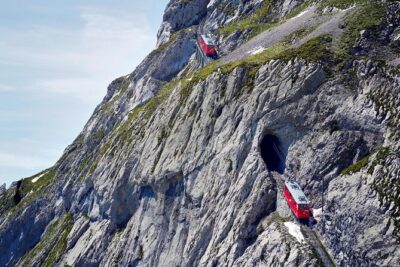 ★ 4.5Mount Pilatus Summit from Lucerne With Lake CruiseFrom $2231,260 reviews
 ★ 4.4Round-Trip Catamaran Cruise on Lake Lucerne1,169 reviews
 ★ 4.7Mt. Pilatus Gondola, Cable Car, and Boat TripFrom $1411,143 reviews
 ★ 4.8Lucerne & Mount Pilatus Day TourFrom $2381,110 reviews
Browse the lists this tour appears in